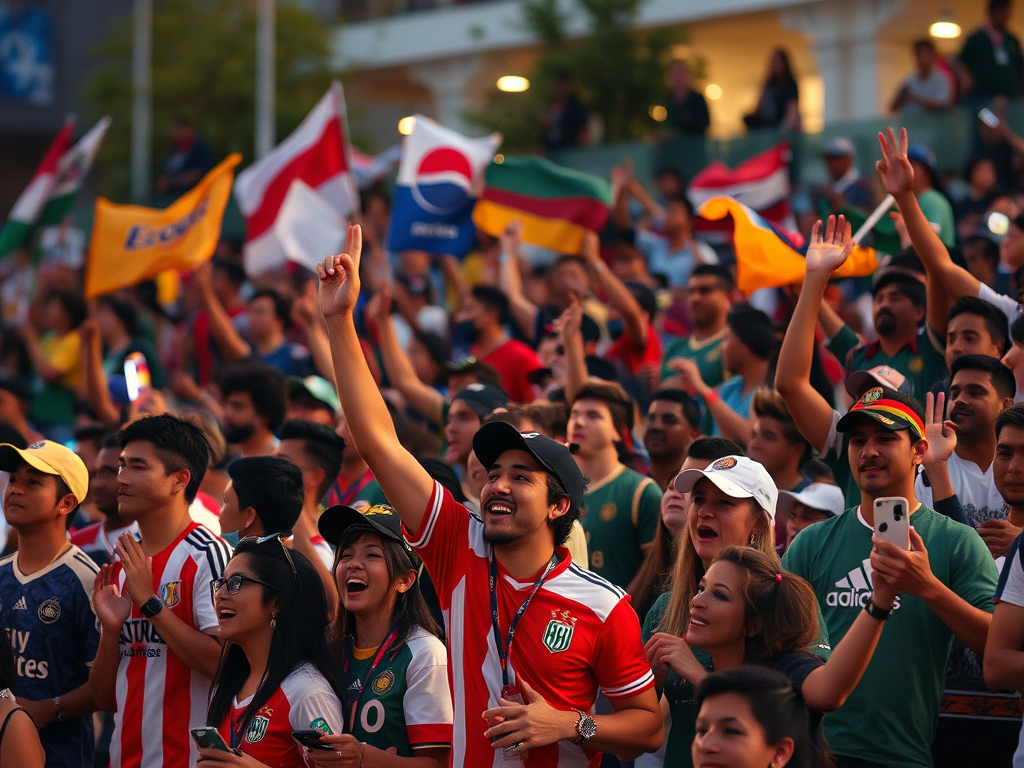

The World’s New Arena Has No Borders :
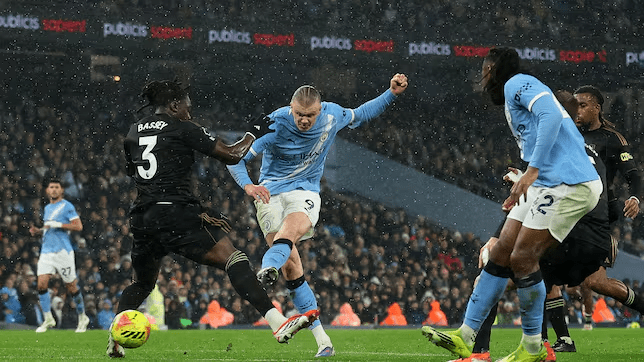
Once upon a time, football (soccer) was the universal language of sport, the heartbeat of global fandom.
Today, it still dominates, followed by over 51% of the world, according to the 2025 Nielsen Global Sports Report.
But here’s what’s changing:
Fans aren’t loyal to just one sport anymore.
The same teenager who wakes up early for a Premier League match is watching esports tournaments at night, scrolling through NBA highlights on TikTok, and following F1 team strategy on YouTube.
Welcome to the era of diversified fandom, where sport isn’t a category, it’s a culture.
The Old Empire: Football Still Rules the World !
Let’s be clear, football remains the king of global sport.
With billions of fans across continents, it’s the cultural glue that binds nations and generations.
From Messi in Miami to Mbappé in Madrid, football’s storytelling power transcends geography.
It fuels fashion, music, social media, and politics.
But even as football’s reign continues, the map of fandom is shifting beneath it.
New sports. New platforms. New passions.
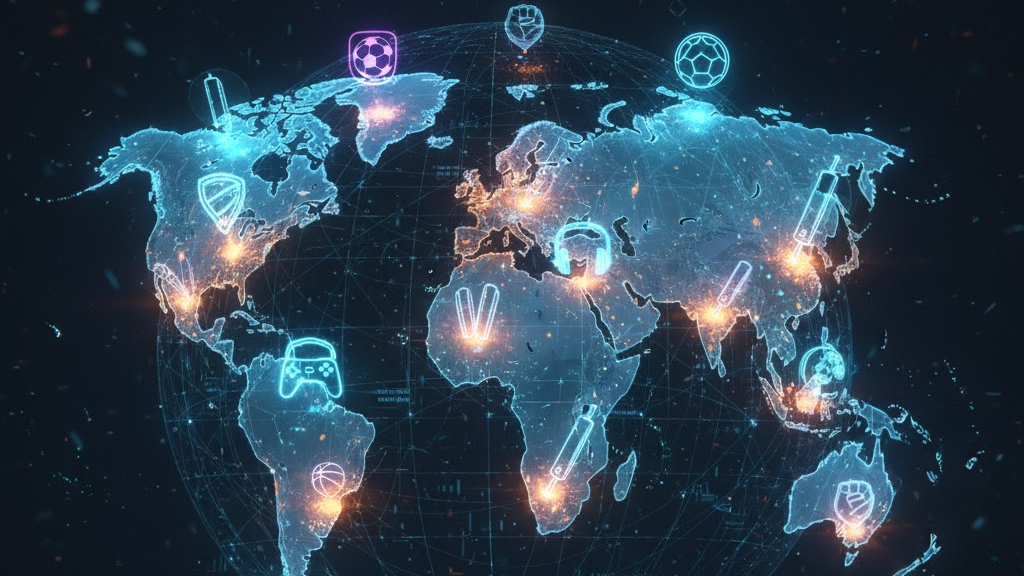
The New Frontier: Niche Is the New Mainstream
The Nielsen report highlights an unmistakable trend, fragmentation is the future.
Fans aren’t switching loyalties; they’re stacking identities.
A few examples of this global diversification:
- Esports is now the second-fastest-growing sport by digital viewership, with more than 500 million fans worldwide.
- Cricket has expanded beyond the Commonwealth, thanks to the IPL’s high-octane entertainment format.
- Formula 1’s Netflix-fueled popularity boom has transformed it into a youth-oriented lifestyle brand.
- Volleyball, skateboarding, MMA, and women’s football are rapidly becoming global content machines.
This fragmentation isn’t chaos, it’s personalization.
Every fan now curates their own “sports playlist,” choosing what fits their identity, values, and digital habits.
Why It Matters: The End of the One-Size-Fits-All Fan
For decades, leagues and brands treated global sports audiences as one giant demographic.
Now, that strategy doesn’t work.
1️. Cultural Relevance Beats Global Reach
Fans care less about scale, more about belonging.
Regional storytelling like Japan’s baseball culture or Brazil’s futsal roots, drives deeper engagement than one-size-fits-all campaigns.
2️. Digital Discovery Is the New Stadium
TikTok, Twitch, and YouTube Shorts are the new front doors of fandom.
Sports that master snackable storytelling win new generations faster than those with decades of tradition.
3️. Brands Must Choose Purpose Over Presence
You can’t be everywhere, but you can be meaningful somewhere.
Smart sponsors now align with niche communities (e.g., skate culture, esports creators, women’s leagues) to build emotional resonance instead of chasing mass exposure..
The Business of Belonging :
In this new ecosystem, connection replaces consumption.
Fans want access, but also authenticity.
They don’t just want to watch, they want to interact.
That’s why the most powerful leagues are investing in:
- Localized content teams that speak to cultural nuance.
- AI-driven fan analytics to predict engagement.
- Creator collaborations that merge sport with lifestyle.
Because the new competition isn’t other sports, it’s attention itself.
What to Watch Next :
- Esports’ crossover with traditional leagues, expect more teams to create gaming divisions.
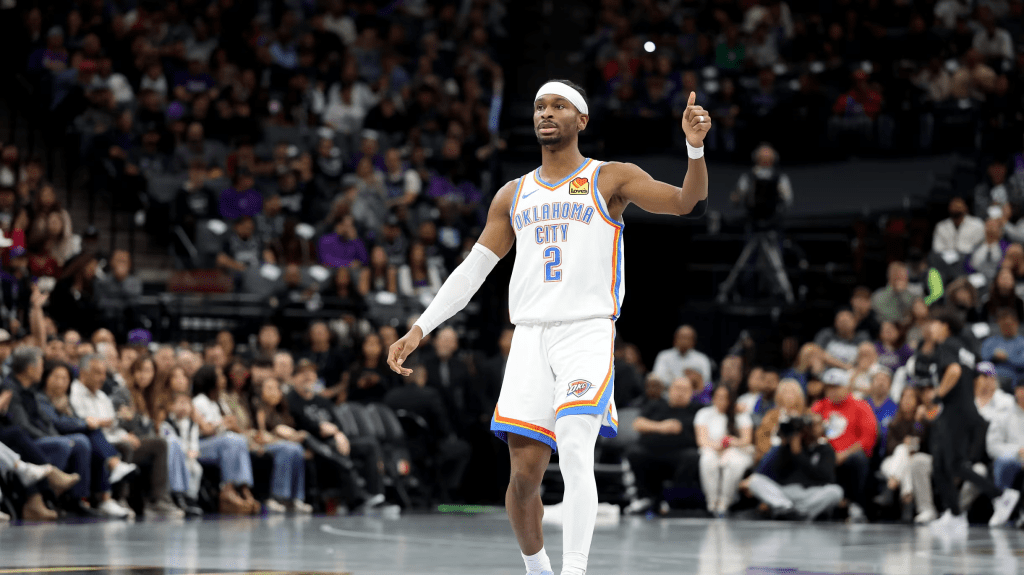
- Athletes as multi-platform influencers, redefining how fandom travels across sports.
- Streaming wars for global rights, platforms will battle not just for sports, but for fan ecosystems.
- Emerging markets as new power centers, Africa, South Asia, and Latin America will drive the next billion fans.
The Cultural Shift: From Spectator to Identity
Sports are no longer just entertainment, they’re self-expression.
Supporting a team or a sport says something about who you are, what you value, and the community you belong to.
That’s why fans across generations from Gen Alpha gamers to millennial marathoners are redefining what it means to be “loyal.”
The new loyalty isn’t exclusive. It’s inclusive, fluid, and deeply personal.
Final Whistle: The Future of Fandom Is Fragmented and That’s Beautiful
The globalization of sports used to mean sameness.
Now it means diversity.
From Tokyo esports arenas to Rio futsal courts, from digital cricket leagues to urban skate parks every corner of the world is building its own version of passion.
The result?
A more vibrant, borderless, and emotionally connected fan universe.
In the next decade, it won’t matter which sport you love, only that you love it loudly, globally, and together.
“The future of sports isn’t one global game, it’s a billion personal ones.”
 Move Elevate
Leave a comment