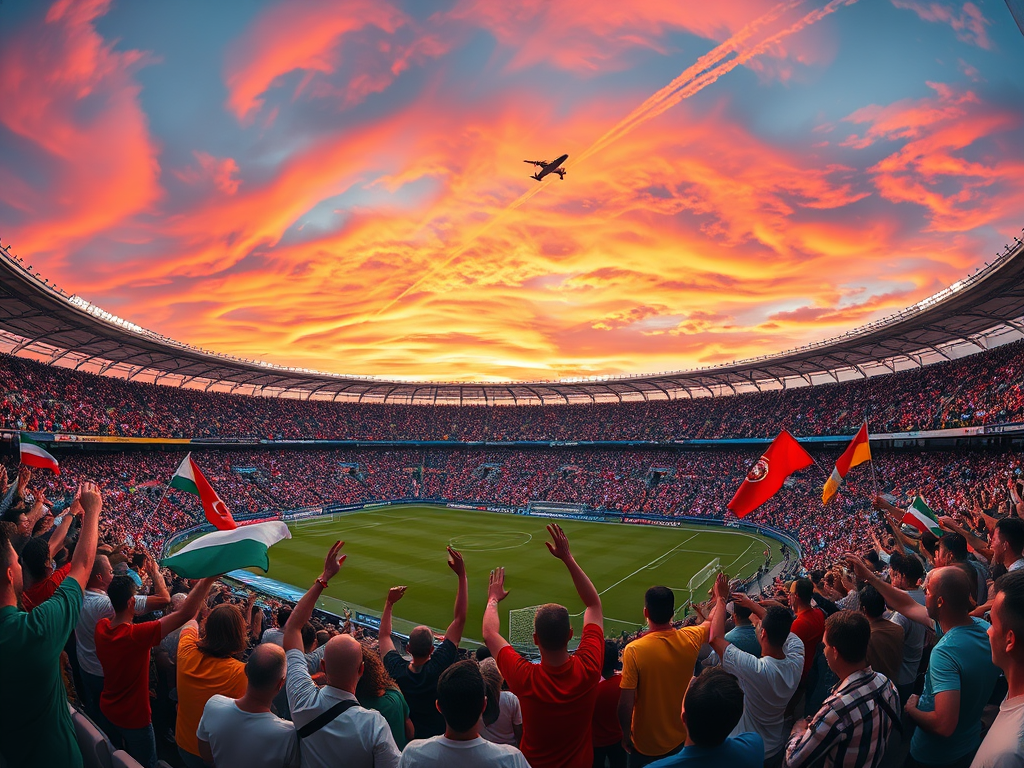
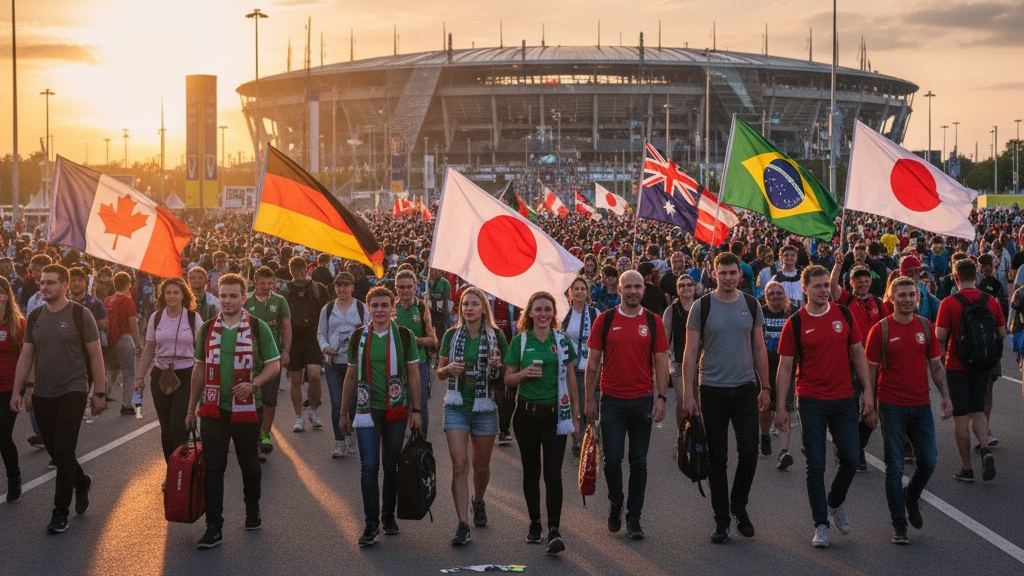
The World Is Packing Its Bags for Sports :
In 2025, sports fans aren’t just watching, they’re traveling.
From Formula 1 weekends in Singapore to the Champions League finals in London, the world is witnessing a surge in sports tourism like never before.
According to a recent feature in Sports Tourism News, international fan travel is up more than 30% compared to pre-pandemic levels, a spike transforming local economies and reshaping global fan culture.
This isn’t just about tickets and jerseys.
It’s about connection, people crossing borders to share passion, identity, and belonging through sport.
The Movement: From Spectators to Global Pilgrims
The modern sports fan is no longer bound by geography.
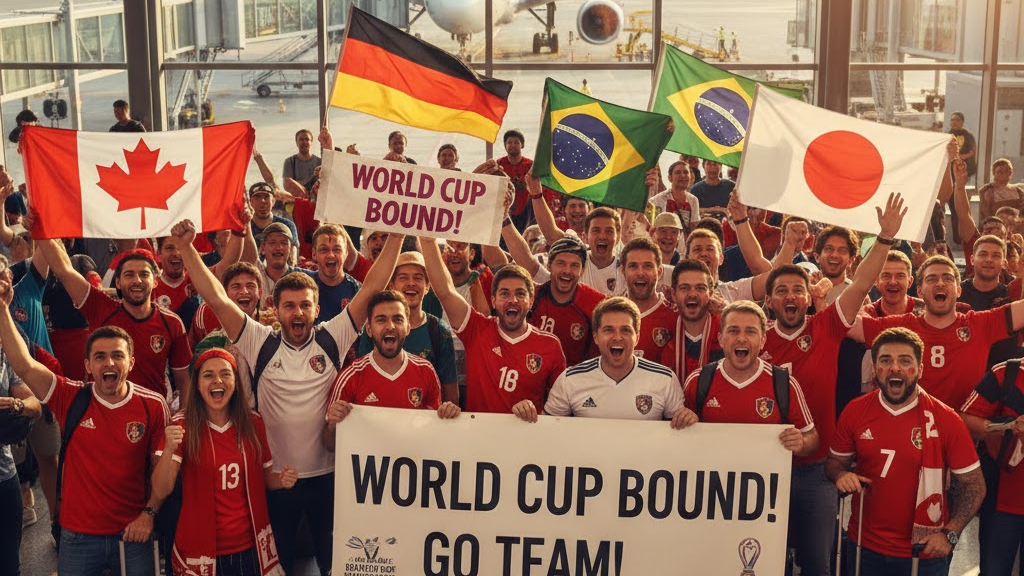
A diehard Manchester United supporter in Mumbai, an NBA enthusiast in Seoul, or an F1 fanatic from Mexico City, they’re all hopping flights to experience the thrill live.
Tour operators, airlines, and hotels are responding fast:
- Travel packages centered on match-day experiences
- City tours designed around sports landmarks
- Exclusive hospitality suites for traveling fan clubs
It’s no longer “I watched the game.”
It’s “I was there when it happened.”
Why It Matters: The Business of Emotion
Sports tourism is one of the fastest-growing sectors in the global experience economy, projected to generate $1.4 trillion annually by 2030 (UNWTO).
But here’s the secret behind its power:
It’s not driven by products, it’s driven by feelings.
1️. Economic Impact:
Every major event, from the Olympics to the Cricket World Cup, creates a financial ripple through hotels, restaurants, transport, and retail.
Host cities like Paris, Doha, and Miami are now designing urban policies around this wave of visitor engagement.
2️. Brand Expansion for Teams & Leagues:
Teams that make travel easy for fans (via international meetups, language-accessible content, and global supporter clubs) see stronger merchandise sales and digital followings.
The fan who travels becomes the fan who converts.
3️. Experience Is the New Loyalty :
In the post-digital era, experiences build longer memories than marketing.
Fans who travel form emotional bonds that transcend wins and losses.
That’s why forward-thinking clubs now invest as much in fan experiences as they do in stadiums.
The Shift: From Games to Festivals
Sports events are evolving into multi-day cultural festivals.
Take Formula 1’s model, each race weekend is part sporting spectacle, part concert, part luxury experience.
Similarly, the FIFA World Cup and Olympic Games are expanding beyond competition, into immersive fan zones, music shows, and cultural showcases.
For cities, it’s not just about hosting games anymore.
It’s about hosting the world.
“A great sports event doesn’t end when the whistle blows, it begins when fans land,” says Marta Pereira, a European sports-tourism strategist.
What to Watch Next
- Emerging Host Cities: Southeast Asia and the Middle East are leading the charge in securing rights to international tournaments.
- Fan Experience Platforms: AI-driven travel apps are now personalizing itineraries based on fandom and location data.
- Sustainable Tourism: Eco-friendly sports travel packages and low-emission event logistics are becoming critical.
As sustainability merges with experience, expect “green tourism” to become a major selling point for future global sports events.
The Human Story: Why Fans Travel :
Behind every boarding pass is a story, a father taking his daughter to her first World Cup, friends reuniting in another country, or a lifelong dream finally realized.
Sports tourism is more than commerce; it’s collective emotion in motion.
It connects cultures, fuels economies, and reminds us that even in a divided world, cheering together can still unite millions.
Final Whistle: Passion Is the World’s Strongest Passport:
In a time when digital convenience rules, it’s heartwarming to see fans choosing presence over pixels.
Because in the end, no stream, no replay, no highlight can match the feeling of being there.
As stadiums become the new global crossroads, one truth rings clear,
Sport isn’t just something we watch. It’s something we journey for.
“Every ticket sold to a fan abroad isn’t just revenue, it’s a relationship.”

 Move Elevate
Leave a comment