
Hook: The Game Heard Around the World
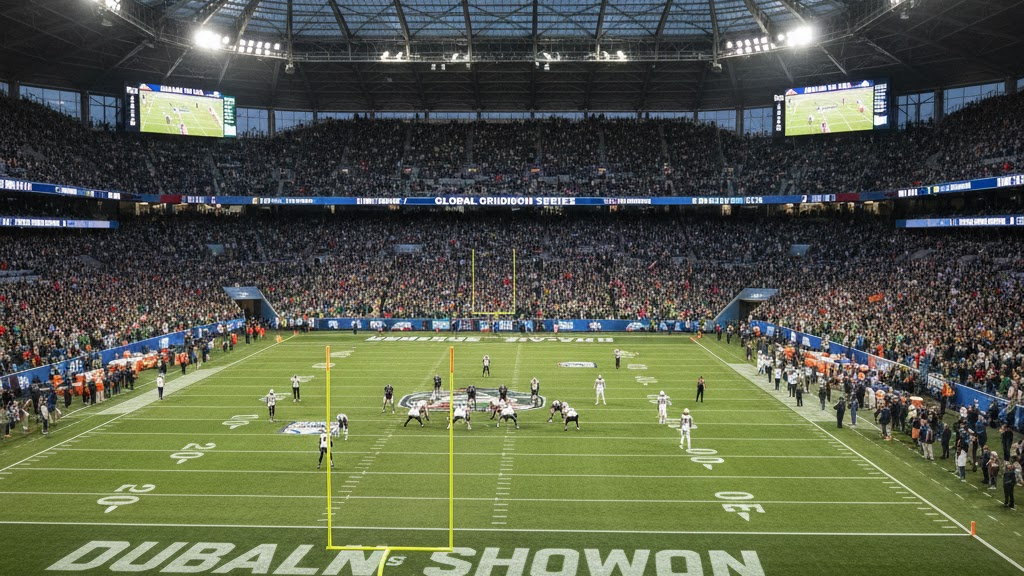
When the Jacksonville Jaguars stepped onto the field in Dublin this fall, it wasn’t just another regular-season matchup.
It was history in motion.
For the first time ever, the NFL hosted a full regular-season game in Ireland, a strategic move that’s less about touchdowns and more about transformation.
Moments after the final whistle, Commissioner Roger Goodell made it clear: this is only the beginning.
“Our job is to share our game with the world. The future of football is global.”
And with that, the NFL officially announced plans to host up to 16 international games annually, spanning continents from Europe to Asia to Australia.
The Vision: From America’s Game to the World’s Stage
For decades, the NFL was considered an American phenomenon, deeply cultural, fiercely regional, and largely untouchable beyond U.S. borders.
Now, it’s becoming a global entertainment empire.
The Dublin game was more than an exhibition; it was a proof of concept.
- Tickets sold out in minutes.
- Merchandise flew off shelves.
- Irish broadcasters reported record engagement.
In one night, the NFL confirmed what many in global sports marketing already suspected:
The world is ready for American football, if it’s brought to them on their terms.
Why It Matters: The Business of Belonging
Behind every touchdown abroad lies a billion-dollar opportunity.
1️. New Markets, New Money
Expanding into Asia and Australia means tapping into massive new fan bases not just for ticket sales, but for streaming, merchandise, and local sponsorships.
Think Amazon Prime deals in Japan. Think Nike collabs in Sydney.
2️. Cultural Exchange as Strategy
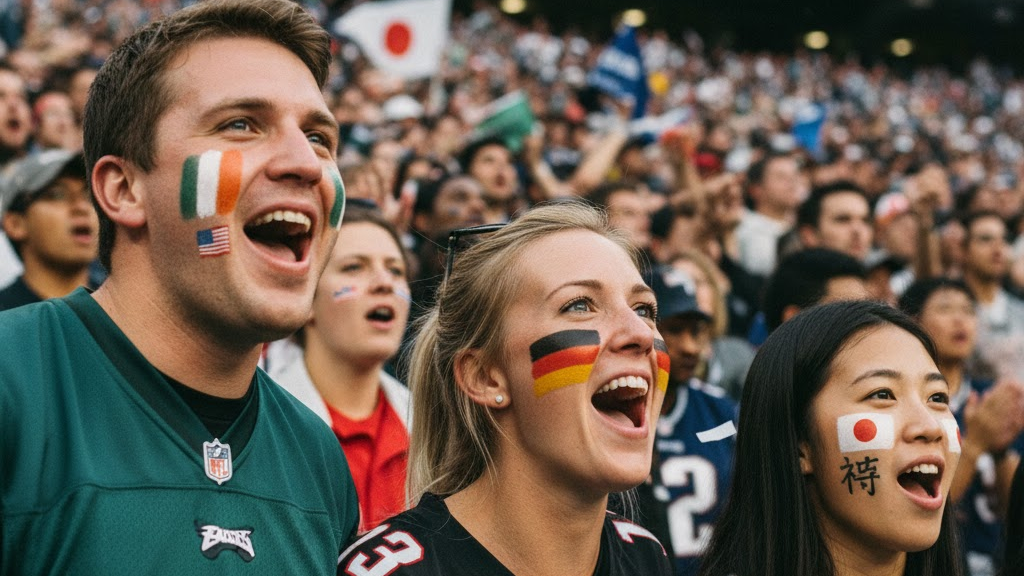
Each new game is a cultural bridge, introducing local audiences to the drama, ritual, and community of American football while adapting its presentation to fit local energy.
It’s less export, more collaboration.
3️. Media Rights = Global Power
The real win? Broadcasting.
By splitting rights deals across continents, the NFL isn’t just growing fans, it’s growing distribution equity.
Media rights in international markets could generate over $2 billion annually by 2030, according to analysts.
The Playbook: How Global Expansion Changes the Game
The NFL’s global push isn’t just geographical, it’s philosophical.
- From Exclusivity to Accessibility: Football is being rebranded as a shared cultural experience, not a closed American tradition.
- From TV to Stream: International viewership is now mobile-first, with live streaming deals leading the charge.
- From Players to Ambassadors: Expect to see top stars like Patrick Mahomes and Josh Allen spearheading global marketing campaigns.
This strategy mirrors what the NBA mastered in Asia and what FIFA has built worldwide, turning games into global events and athletes into global icons.
What to Watch Next :
The next decade could see NFL teams establishing “regional homes” abroad, similar to how European football clubs build fan ecosystems in Asia and Africa.
Key cities under consideration:
- Sydney 🇦🇺
- Tokyo 🇯🇵
- Berlin 🇩🇪
- Mexico City 🇲🇽
- São Paulo 🇧🇷
The NFL has already expanded its International Player Pathway Program, suggesting that in the near future, fans won’t just watch global players, they’ll cheer for their own.
Lessons for Sports and Business
- Global Growth Starts with Emotional Relevance.
You can’t just export, you must localize the story. - Data Drives Passion.
Understanding what each market loves (music, style, social media tone) turns curiosity into loyalty. - Branding Is the Real Game.
Every expansion decision, from broadcast deals to halftime shows, reinforces how the NFL sees itself: not just as a sport, but as a culture.
Final Whistle: The World Is Watching
From Dublin to Dubai, one truth is becoming clear, the NFL isn’t chasing numbers.
It’s chasing connection.
By taking the game beyond borders, it’s not just expanding football, it’s expanding what American identity in sports can mean globally.
Because in 2025 and beyond, the end zone isn’t in the stadium anymore.
It’s wherever a fan picks up their phone, presses “watch live,” and falls in love with the game for the first time.
“The NFL’s next frontier isn’t a city, it’s a culture.”
 Move Elevate
Leave a comment