The Revolution Won’t Be Televised, It’ll Be Streamed :
The world of sports isn’t just being played on the field anymore, it’s being rewired in the cloud.
From the NBA’s billion-dollar streaming contracts to Formula 1’s global OTT boom, media rights have become the most valuable currency in modern sport.
And the real game isn’t about who wins on match day, it’s about who owns the screen.
According to Deloitte’s 2025 Global Sports Outlook, leagues and broadcasters are rapidly shifting away from traditional TV deals toward dynamic streaming ecosystems, where fans consume sports anywhere, anytime and data, not viewership, drives the scoreboard.
From Broadcast to Broadband :
For decades, live sports were television’s crown jewel.
Broadcasters paid billions for exclusivity because sports guaranteed one thing TV could never replicate: live emotion.
But the digital revolution changed everything.
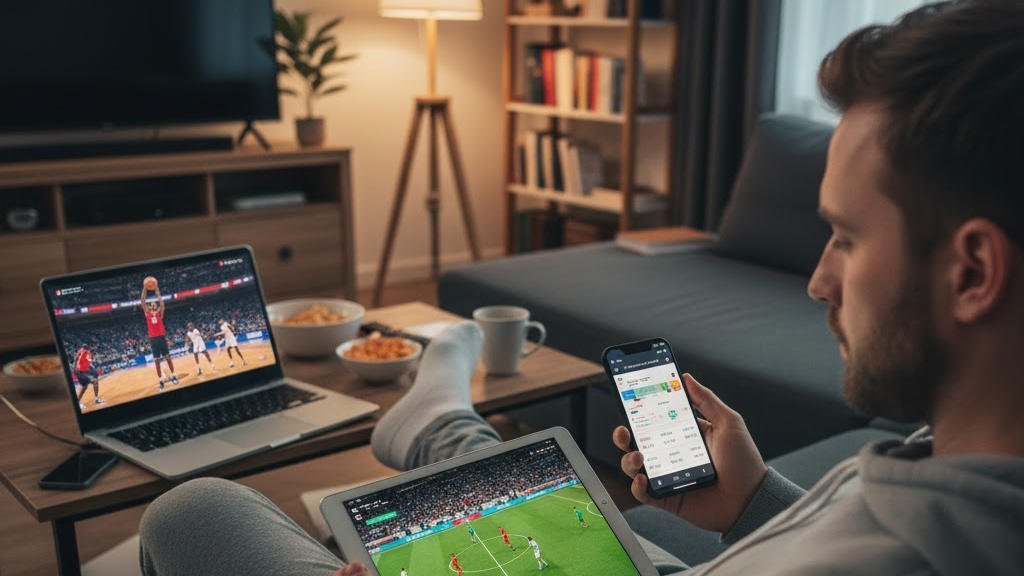
Fans no longer wait for prime time, they stream highlights on TikTok, watch live stats on apps, and follow players directly on social media.
Now, rights aren’t being sold as “time slots”, they’re being packaged as experiences.
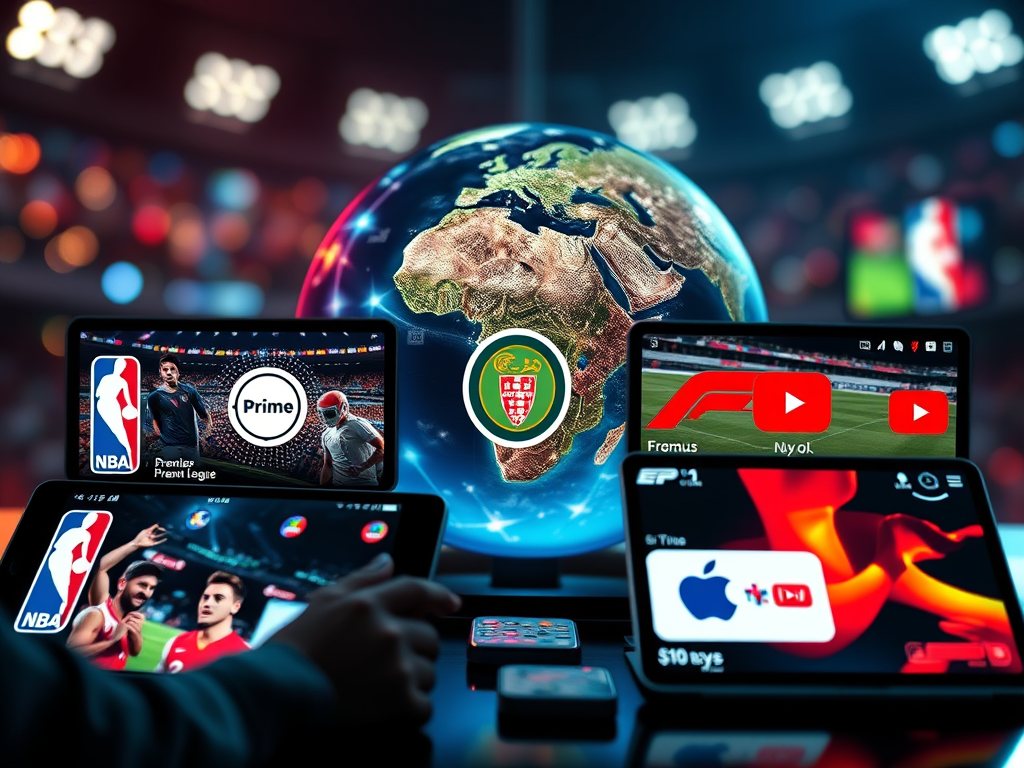
- The NBA now partners with Amazon Prime and Apple TV+ to stream games in multiple languages.
- The Premier League integrates interactive viewing options on YouTube and Meta.
- Formula 1 TV offers AI-enhanced data layers, letting fans control camera angles and pit radio feeds.
The traditional broadcast model, one screen, one voice, one network is officially obsolete.
Why Does It Matters: The New Economics of Attention
In this new media world, attention is the asset and data is the currency.
1️. Rights Are Getting Smarter
Streaming contracts are now modular and data-driven, allowing leagues to adapt pricing to region, viewership, and engagement.
Instead of static multi-year TV deals, we’re entering an era of micro-licensing, where smaller packages, influencer tie-ins, and global co-streaming rights unlock more value.
2️. Global Reach, Local Emotion
Streaming eliminates geography.
A fan in Mumbai can watch La Liga live; a kid in Lagos can stream the NFL on YouTube Shorts.
This global accessibility boosts brand reach, but also forces leagues to localize commentary, timing, and digital storytelling.
3️. Athletes Become Broadcasters
Players are now media entities themselves.
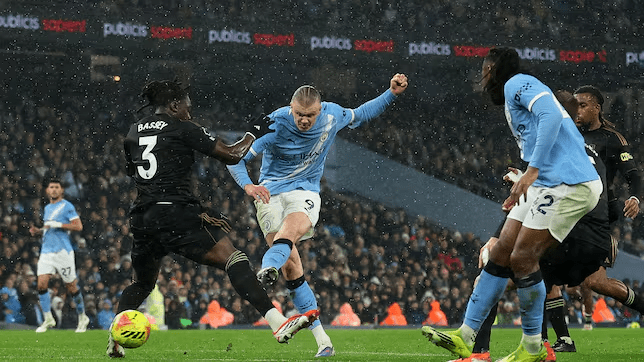
Stars like LeBron James, Serena Williams, and Erling Haaland use personal channels to release behind-the-scenes content that garners more engagement than official league broadcasts.
It’s no longer “league vs. network.”
It’s league × player × platform, a three-way partnership reshaping monetization.
What to Watch: The Platforms Powering the Future
- Amazon Prime & Apple TV+ : building long-term sports ecosystems with embedded commerce.
- YouTube & Meta : focusing on highlight culture, short-form engagement, and athlete-driven storytelling.
- DAZN & F1 TV : mastering niche-market dominance through subscription-based experiences.
- Fan-Owned Platforms : emerging decentralized apps where fans directly support teams via blockchain.
These aren’t just channels, they’re new economies of fandom.
Winners and Losers: The Economic Impact
The biggest winners?
Leagues that embrace data, distribution, and personalization.
By 2030, global media-rights revenues could surpass $75 billion, but distribution will fragment, smaller leagues might struggle without innovative digital partnerships.
Traditional broadcasters will face margin compression as advertisers chase precision over scale.
Meanwhile, streaming-first leagues like the UFC, F1, and NBA will thrive through direct-to-consumer monetization.
The Branding Equation: Trust Over Access
Here’s the paradox: as access expands, loyalty dilutes.
Fans can watch anything, but they don’t commit to everything.
That’s why brand trust now drives fan retention.
Leagues that offer authentic storytelling, seamless digital experiences, and interactive engagement will own the future.
Because in a marketplace flooded with content, meaning is the last competitive advantage.
Final Whistle: From Broadcasts to Belonging
We’re witnessing the biggest power shift in sports since television itself, from networks owning moments to fans owning experiences.
The next era of sports media won’t be about who streams the loudest, but who connects the deepest.
Because the real revolution isn’t technological, it’s emotional.
Fans don’t just want access to the game.
They want to feel like part of it.
“In the new sports economy, the real broadcast right isn’t owned, it’s shared between leagues, athletes, and fans.”
 Move Elevate
Leave a comment