
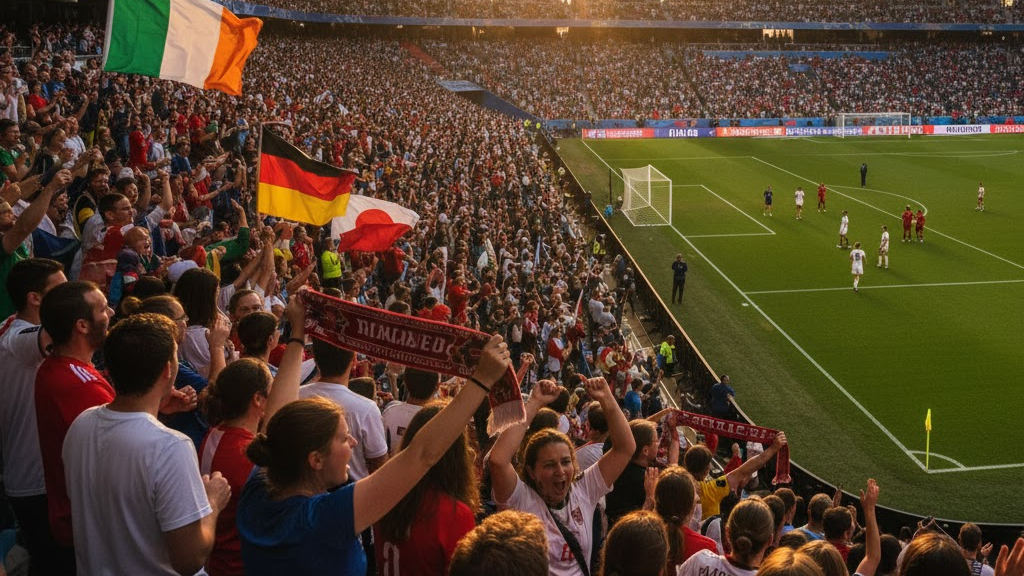
Hook: The Quiet Revolution That’s Changing the World of Sport
For decades, women’s sports lived in the shadows, underfunded, under-covered, and underestimated.
But that narrative is officially over.
According to Nielsen’s 2025 Global Sports Report, the tides are turning faster than anyone expected.
Nearly 47% of fans of women’s sports are female, and streaming engagement among older demographics has surged 21% in just two years.
This isn’t just a movement, it’s a market transformation.
And brands, broadcasters, and federations are finally realizing that women’s sports aren’t a “side story”, they’re the future headline of global athletics.
The Data: When Numbers Tell a Story of Change
Nielsen’s report doesn’t just highlight interest, it maps momentum.
- 47% of women’s sports fans are female a demographic once ignored by advertisers.
- Streaming among older fans (+21%) shows the sport is reaching multi-generational audiences.
- Cross-league engagement (from football to cricket to tennis) is breaking silos, fans follow athletes, not just teams.
The shift is as emotional as it is economic.
Fans are showing up because they see themselves on the field, powerful, skilled, ambitious, unapologetically visible.

Why It Matters: The Business of Belief
This surge isn’t just cultural, it’s commercial.
Women’s sports are proving that representation drives revenue.
1️. The Sponsorship Boom
Brands are lining up to back leagues like the WNBA, FA Women’s Super League, and FIFA Women’s World Cup, not as charity, but as smart business investments.
These audiences are younger, more digital, and more value-driven than traditional male sports audiences.
2️. The Global Fan Base
From London to Lagos, Melbourne to Mumbai, fans are tuning in not out of novelty but loyalty.
Streaming platforms like DAZN and ESPN+ are enabling access where traditional TV once failed.
3️. The Cultural Credibility
Backing women’s sports is now a brand identity statement, it signals inclusivity, progress, and alignment with global values.
For sponsors, it’s the rare fusion of ethics and economics.
The New Power Players: Athletes as Global Brands
Athletes like Alexia Putellas, Megan Rapinoe, Naomi Osaka, and Smriti Mandhana have transcended their sports.
They’re not just athletes, they’re movements.
They represent the modern archetype of influence:
- Skilled.
- Socially conscious.
- Globally recognized.
Their authenticity builds trust in a media landscape flooded with noise.
And trust, in branding, is the most valuable currency of all.
The Shift in Strategy: From Metrics to Meaning
For decades, sports marketing relied on reach and repetition.
Now, it’s about relevance and relatability.
Women’s sports embody both.
Every match feels like a shared victory, a narrative of persistence and pride.
And that emotional authenticity converts more effectively than any billboard.
In simple terms:
“Purpose is the new performance metric.”
What to Watch Next
- Leagues poised for breakout growth: Women’s IPL (India), NWSL (U.S.), and UEFA Women’s Champions League (Europe).
- Emerging broadcast deals; DAZN, Prime Video, and Apple TV are investing heavily in women’s sports rights.
- New brand entrants: Expect lifestyle, tech, and sustainability brands to become top sponsors, outpacing traditional beverage and apparel categories.
Final Whistle: The Power of Progress
The story of women’s sports is no longer about catching up.
It’s about setting the pace.
Every new viewer, every streaming stat, every sold-out stadium is proof that representation is resonance.
And the brands that see this moment not as a trend, but as a transformation, will be the ones shaping the next decade of global sports.
Because the game isn’t changing, it’s expanding.
And everyone’s invited.
“Women’s sports aren’t a niche. They’re the new normal — and the most powerful story in global athletics.”

 Move Elevate
Leave a comment