The Loss That Echoes Beyond the Locker Room :
The sports world woke up to heartbreak this morning.
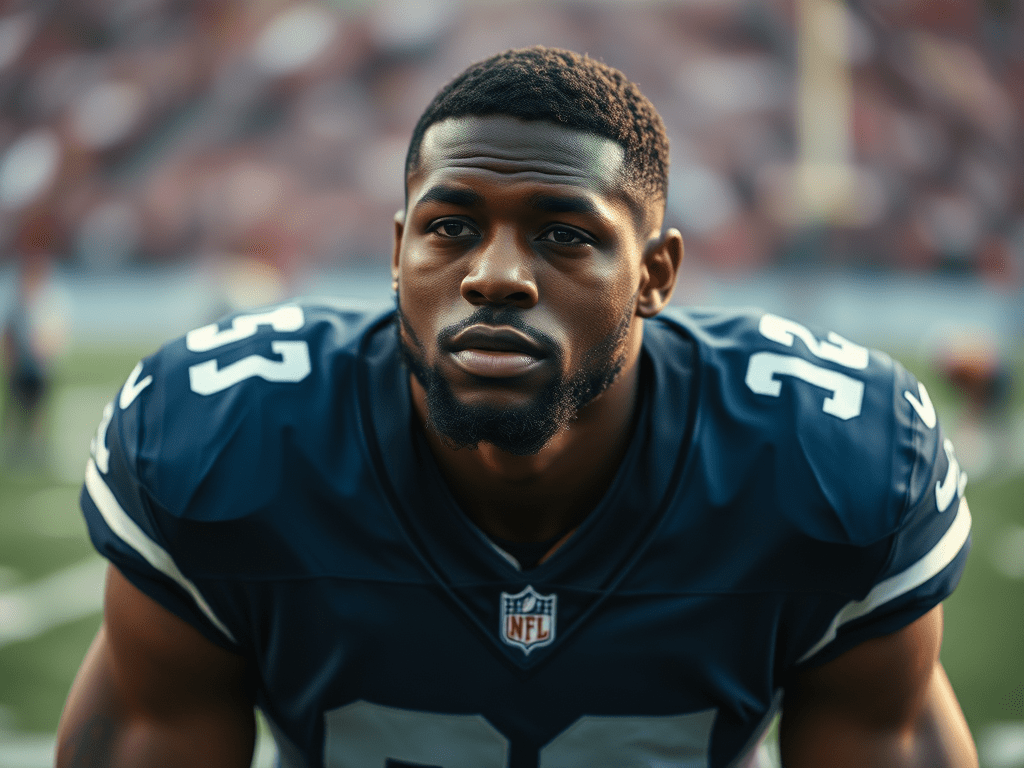
Marshawn Kneeland, a 24-year-old defensive end for the Dallas Cowboys, was found dead in what police are investigating as a possible suicide.
At just 24, he was at the beginning of what many believed would be a long and promising career.
A player known for his work ethic, humility, and quiet determination, gone far too soon.
This tragedy isn’t just a headline.
It’s a mirror reflecting one of the most urgent, often unspoken realities of modern professional sports: the mental health crisis among athletes.
The Human Side: Behind the Helmet
For fans, athletes are symbols of strength, resilient, unstoppable, untouchable.
But behind every uniform is a human being navigating pressure, expectation, and identity.
Marshawn Kneeland’s story reminds us that no amount of fame, fitness, or financial success can shield someone from internal battles.
The emotional toll of professional sport is enormous, constant performance anxiety, physical pain, public scrutiny, and the fear of failure.
For young players stepping into massive media ecosystems, the mental load can feel impossible to carry.
Why It Matters: A System Under Pressure
Kneeland’s passing forces difficult but necessary questions:
- Are leagues doing enough to prioritize mental health over performance?
- Are young athletes being prepared for the psychological toll of fame?
- What happens when the spotlight fades, even briefly?
1️.The Invisible Injury
While physical injuries dominate sports headlines, mental injuries often go unseen.
Depression, anxiety, and burnout are becoming increasingly common among elite athletes, especially in high-pressure leagues like the NFL.
2️. Stigma Still Exists
Despite growing awareness, many athletes still fear that admitting mental struggle could affect their contracts, playing time, or reputation.
The culture of “toughness” often silences the very people who need help most.
3️. The League’s Responsibility
In recent years, the NFL has introduced mental wellness programs, but implementation and access vary widely between teams.
The challenge now is to make support proactive, not reactive embedded in daily athlete life, not just post-crisis response.
The Broader Conversation: Humanity Over Headlines
Marshawn Kneeland’s passing isn’t just an NFL story, it’s a human one.
It’s about young people facing immense expectations before they’ve even figured out who they are.
It’s about how society consumes athletes’ lives as entertainment but often overlooks their emotions as individuals.
And it’s about how the culture of sport must evolve, from “play through pain” to “protect your peace.”
As former players and teammates begin to speak out, the hope is that this tragedy sparks real change not just another news cycle.
What Needs to Change
- Normalize vulnerability, athletes must know that seeking help is strength, not weakness.
- Build safe spaces inside teams, where mental health is treated with the same priority as physical conditioning.
- Educate fans and media, to remember that performance is not identity, and failure does not define a life.
- League accountability, ensure mental health professionals are part of every roster, not optional add-ons.
Final Whistle: Legacy Beyond the Field
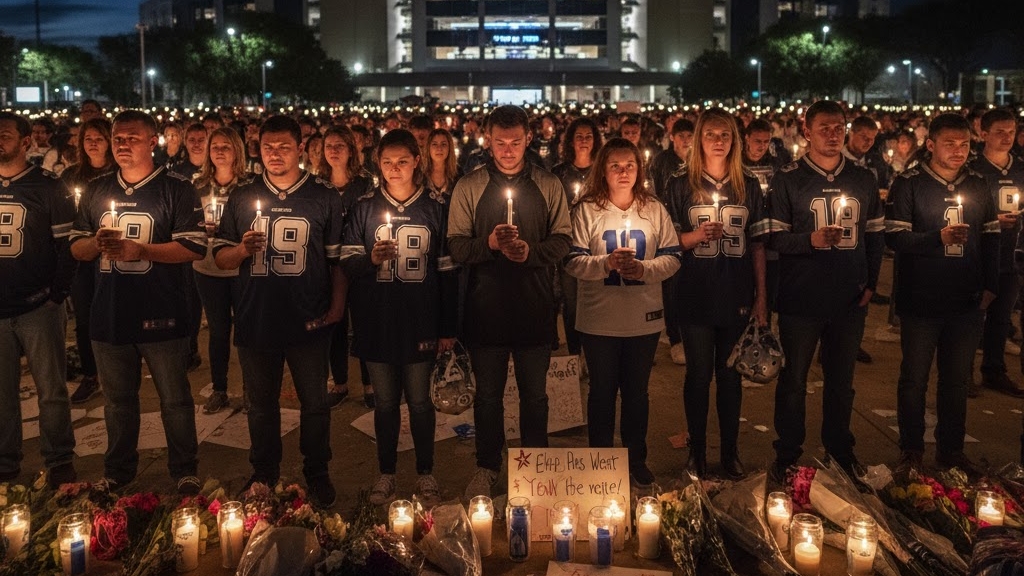
As tributes pour in, one truth stands clear, Marshawn Kneeland’s legacy must become more than memory.
It must become a movement.
To every athlete struggling in silence, his story should serve as a beacon: You are not alone. You are not weak. You are worth more than the game.
May his family, teammates, and the entire sports community find healing in unity, and may his loss lead to a louder, kinder conversation about mental health in sports.
“In a world that celebrates toughness, we must learn that asking for help is the bravest play of all.”
 Move Elevate
Leave a comment