
When the World Watches, Safety Becomes Strategy
Football has always been more than a game, it’s a reflection of culture, politics, and humanity.
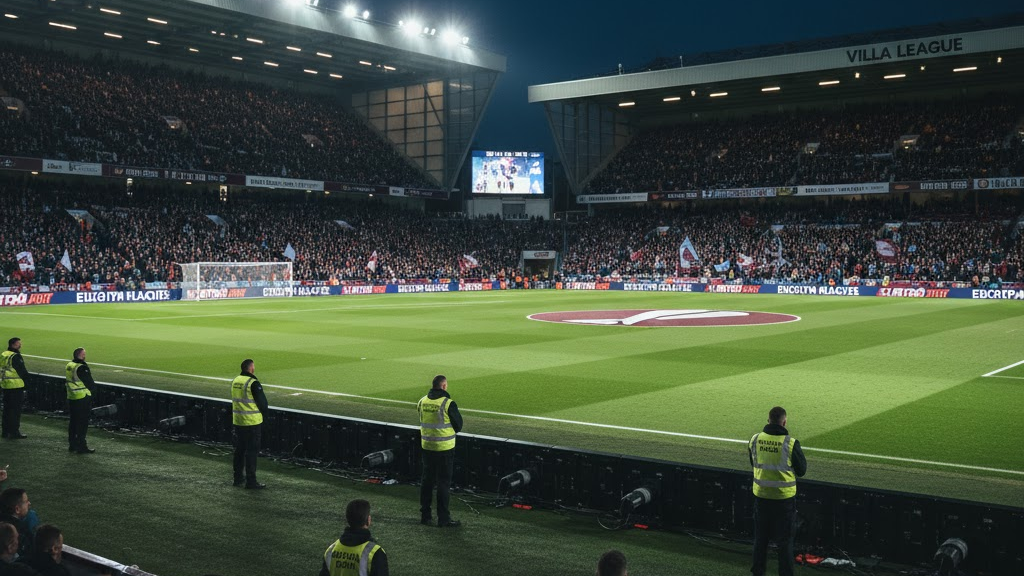
That truth was on full display during Aston Villa’s Europa League match against Maccabi Tel Aviv, where global tensions briefly threatened to overshadow the sport.
Ahead of kickoff, police arrested eleven individuals linked to planned protests, raising fears of unrest around the stadium.
But thanks to meticulous coordination between local authorities, UEFA security teams, and club officials, the match proceeded without major incident.
For most fans, it was just another European night under the lights.
For the sports world, it was a case study in how modern security and diplomacy now shape international events.
The Context: Football in a Political Crossfire
In recent years, football has become an unexpected front line for cultural and geopolitical expression.
Matches featuring teams from politically tense regions often serve as flashpoints, not because of the players, but because of the symbolism they carry.
The Aston Villa–Maccabi Tel Aviv fixture arrived at a moment of heightened sensitivity in global politics, particularly concerning the Middle East.
Authorities anticipated protests, both in support of and opposition to broader issues, and prepared for potential disruption.
What unfolded instead was a night of disciplined calm, a testament to preparation, communication, and a shared commitment to keeping the sport sacred.
Why It Matters: The Business of Safety
Security isn’t just an operational concern,it’s a brand issue.
1️. Reputation Is Revenue
In the global sports industry, perception equals profit.
Sponsors, broadcasters, and tourism boards all depend on an event’s stability.
Even minor disruptions can trigger insurance claims, broadcast interruptions, and brand hesitation.
2️. Fan Experience Depends on Trust
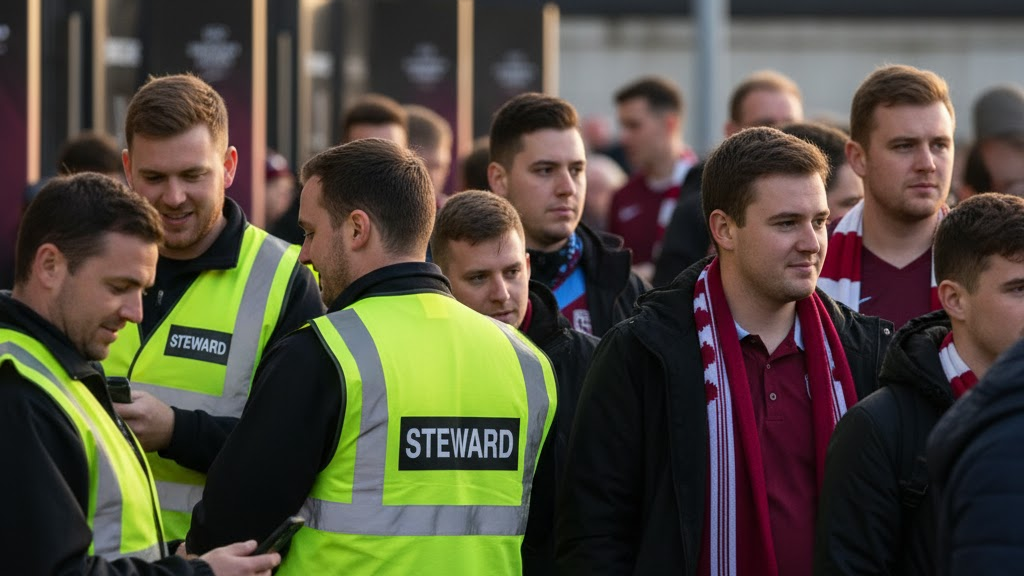
Today’s fans expect safety without intrusion, seamless entry, visible vigilance, invisible tension.
Leagues and clubs are now investing millions in AI surveillance, crowd analytics, and coordinated response systems to ensure calm without creating fear.
3️. Global Broadcast Integrity
With streaming platforms airing to audiences in over 200 countries, a single incident can have worldwide consequences.
The success of this match reinforced a crucial message to broadcasters: football remains a safe, unifying spectacle, even in turbulent times.
What to Watch: The Future of Sports Security
- Data-Driven Crowd Management, Predictive analytics to identify potential risks before they escalate.
- Unified Communication Platforms, Real-time coordination between police, stewards, and international agencies.
- Cultural Sensitivity Training, Preparing staff to navigate complex fan identities and political symbolism.
- Public Transparency, Clubs releasing post-match security summaries to reassure fans and partners alike.
The goal is no longer simply “zero incidents.”
It’s about creating an environment of emotional safety, where fans feel both free and respected.
The Broader Lesson: Sport as Diplomacy
Every international fixture now doubles as soft diplomacy.
How a nation or club handles tension reflects its values, composure, respect, and inclusion.
By hosting Maccabi Tel Aviv without disruption, Aston Villa and UEFA sent a quiet but powerful message:
Sport can still be a place for coexistence when managed with foresight and empathy.
In an age of polarization, that’s more than logistics, that’s leadership.
Final Whistle: The New Definition of Victory
For Aston Villa, the scoreboard mattered.
For global sport, the real win was the calm that surrounded the game.
Because in the modern era, success isn’t only measured in goals scored, it’s measured in trust earned.
And on this night, trust triumphed.
“In a world divided by borders and beliefs, safety and respect are the real victories that keep sport human.”
 Move Elevate
Leave a comment