Hook: A Century of Struggle Meets Its Reward
For decades, women’s sports lived in the shadows, celebrated in moments, ignored in markets.
Today, that’s changing.
When Richa Ghosh, India’s young wicketkeeper-batter, received ₹34 lakh as financial recognition, ₹1 lakh for every run she scored in the Women’s World Cup Final, it wasn’t just a bonus.
It was a signal.
A signal that talent in women’s sports is finally being valued not symbolically, but economically.
It marked a moment where applause turned into investment, and performance turned into parity.
Richa’s triumph represents more than a medal or a paycheck, it’s a reflection of how the sports industry, brands, and audiences are rewriting the definition of equality.
The Match That Changed Everything
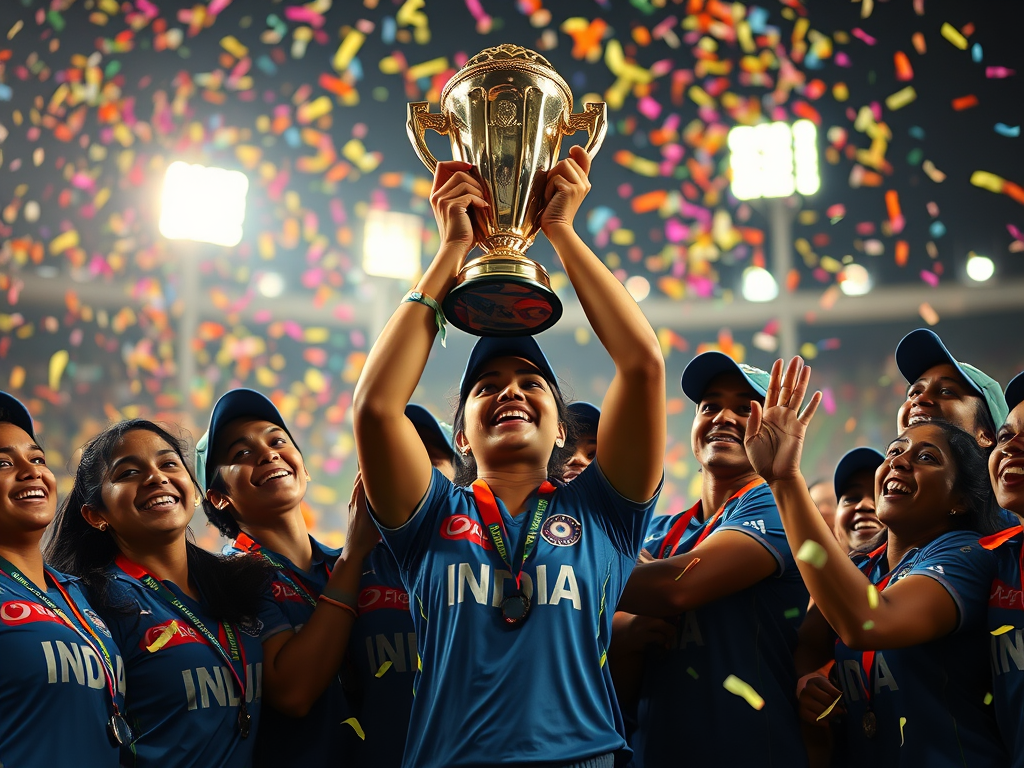
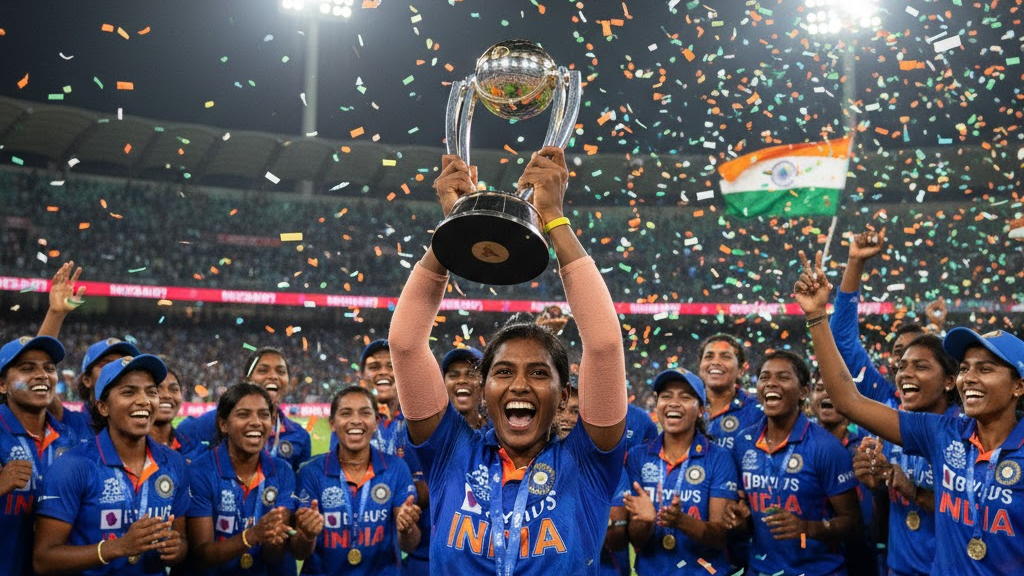
When India lifted the Women’s Cricket World Cup, millions tuned in not just to witness a historic victory, but to feel a shift in what women’s sports mean to the country.
For years, Indian women cricketers played under the weight of comparison, every boundary, every catch measured against the men’s game.
But in the final, Richa Ghosh played with fearless grace, smashing runs when it mattered most and proving that excellence has no gender.
Her performance didn’t just win a trophy, it won a new generation of fans, corporate believers, and policymakers ready to invest in women’s sports infrastructure.
And when West Bengal’s government announced her reward, ₹34 lakh for 34 runs, it wasn’t charity.
It was respect made tangible.
Why This Matters: From Symbolism to Systemic Change
For years, women athletes received symbolic praise, “trailblazers,” “inspirations,” “role models.”
Now, they’re being recognized as economic contributors to the sports ecosystem.
1️. Pay and Recognition
Richa’s reward mirrors a global trend, the commercial elevation of women’s sports.
From the FIFA Women’s World Cup prize pool nearly doubling to the WNBA’s broadcasting revenue soaring, the conversation has shifted from “representation” to revenue.
Women’s sports aren’t a cause anymore.
They’re a market and one growing faster than almost any other in the sports industry.
2️. Corporate Confidence
Brands are realizing what fans already know: authenticity sells.
When companies back women athletes, they’re not ticking a diversity box, they’re aligning with a cultural movement.
Global sponsors like Nike, Adidas, and Tata have pivoted toward inclusive campaigns featuring women athletes as central figures not supporting acts.
And in India, Richa’s moment signals to brands that local heroes drive deeper emotional engagement than imported icons ever could.
3️. The Media Evolution
Mainstream coverage of women’s sports has exploded from cricket and football to athletics and kabaddi.
Social media platforms amplify every highlight, meme, and celebration turning matches into viral cultural moments.
For the first time, visibility is matching performance.
And with visibility comes value.
The Cultural Shift: From “Women in Sport” to “Sport, Period.”
Once upon a time, women’s sports coverage was relegated to the last five minutes of a broadcast or a half-page in print.
Now, it’s front-page news, primetime content, and headline-worthy.
What’s changed isn’t just perception, it’s participation.
More young girls are joining academies, families are supporting daughters in competitive sports, and brands are finally funding women’s leagues with serious budgets.
The world no longer sees women’s sports as a “subset.”
It sees it as a parallel industry with its own stars, economy, and influence.
India’s New Wave: Beyond Richa Ghosh
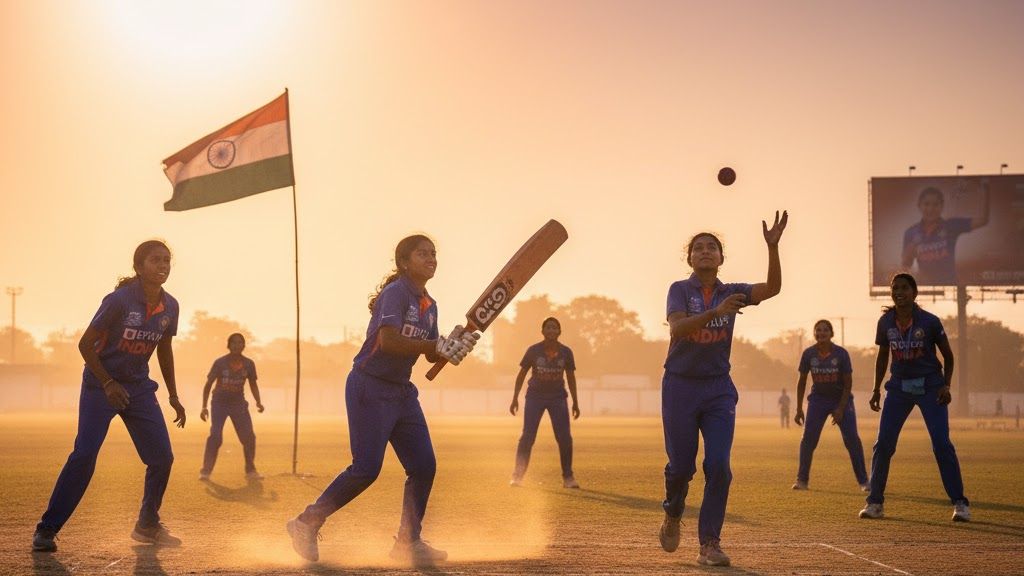
Richa Ghosh isn’t alone in this movement.
She’s part of a rising generation of Indian women athletes reshaping global narratives.
- Smriti Mandhana the marketing face of Indian women’s cricket, now commanding top endorsements.
- Harmanpreet Kaur led with composure and strategic brilliance, earning brand partnerships once reserved for male captains.
- Jemimah Rodrigues bridging sport and pop culture with youth-focused appeal.
These athletes represent a cultural rebranding of Indian womanhood: strong, skilled, ambitious, and unapologetically visible.
Their stories connect emotionally across gender lines because they symbolize what modern India values most: grit, grace, and growth.
The Global Context: Women’s Sports as an Economic Powerhouse
Across the world, women’s sports are no longer emerging, they’re exploding.
- The FIFA Women’s World Cup 2023 saw over 2 billion viewers, outpacing many men’s tournaments.
- The WNBA set record sponsorship deals worth $60 million+.
- The Women’s Premier League (WPL) in India sold media rights for over ₹950 crore before its debut.
What’s driving this growth?
Representation meets ROI.
As cultural values evolve toward equality, audiences are rewarding authenticity with loyalty.
When fans see women athletes excel, they’re not just watching, they’re investing emotionally and financially.
The Psychology of Empowerment: Why Stories Like Richa’s Matter
Sports have always been psychological mirrors of society.
When women athletes break barriers, they reshape collective imagination, especially for the next generation.
A 12-year-old girl in Kolkata doesn’t just see Richa Ghosh as a cricketer.
She sees a reflection of possibility proof that skill can rewrite social scripts.
This is how real change happens: not through speeches, but through success stories that can’t be ignored.
And in that sense, every run Richa scored in that final was more than a number.
It was a message that talent deserves equity, and equity deserves applause.
The Business Side: Women’s Sports as Smart Investment
1️. Long-Term Loyalty
Audiences for women’s sports tend to be more loyal and community-driven.
That makes them valuable to sponsors who crave engaged, authentic audiences over passive viewership.
2️. Cross-Sector Branding
Women’s sports intersect with lifestyle, education, fitness, and social causes opening multi-sector brand collaborations that men’s sports rarely reach.
3️. Digital-First Growth
Younger fans consume sports online and women’s leagues are optimized for that ecosystem.
Clips, reels, interviews, and behind-the-scenes content perform exceptionally well on TikTok, Instagram, and YouTube creating constant touchpoints for brand exposure.
Challenges Ahead: The Game Isn’t Won Yet
While progress is undeniable, parity is still a work in progress.
Pay gaps remain wide in many sports.
Media coverage, while growing, still leans male-dominated.
And women athletes continue to face online abuse and gender bias.
The next phase isn’t just visibility, it’s sustainability.
Ensuring that financial investment becomes infrastructure, opportunity, and equity not one-off rewards.
What to Watch Next
- Corporate Sponsorships: Watch how brands pivot toward women athletes for authentic representation.
- League Expansion: Expect more international tournaments and brand-backed women’s leagues in cricket and football.
- Policy Changes: Governments may introduce gender-parity funding for sports development.
- Media Rights Evolution: Streaming platforms will bid aggressively for exclusive coverage of women’s sports, a huge shift in market dynamics.
Final Reflection: From Applause to Action
Richa Ghosh’s ₹34 lakh isn’t just a personal reward, it’s a societal milestone.
It represents a paradigm shift, where women’s achievements aren’t treated as exceptions, but as expectations.
She didn’t just score 34 runs.
She scored for equality.
For representation.
For the belief that talent, when seen, must be valued equally.
In her rise, we see the future of global sport:
One where applause is matched by opportunity, and where every girl holding a bat knows,
The world is finally ready to watch her swing.
“Richa Ghosh didn’t just win a match, she redefined what winning looks like for women everywhere.”
 Move Elevate
Leave a comment