Hook: The Applause Is Loud, But Is It Enough?
The victory was historic.
The cheers were deafening.
The moment was unforgettable.
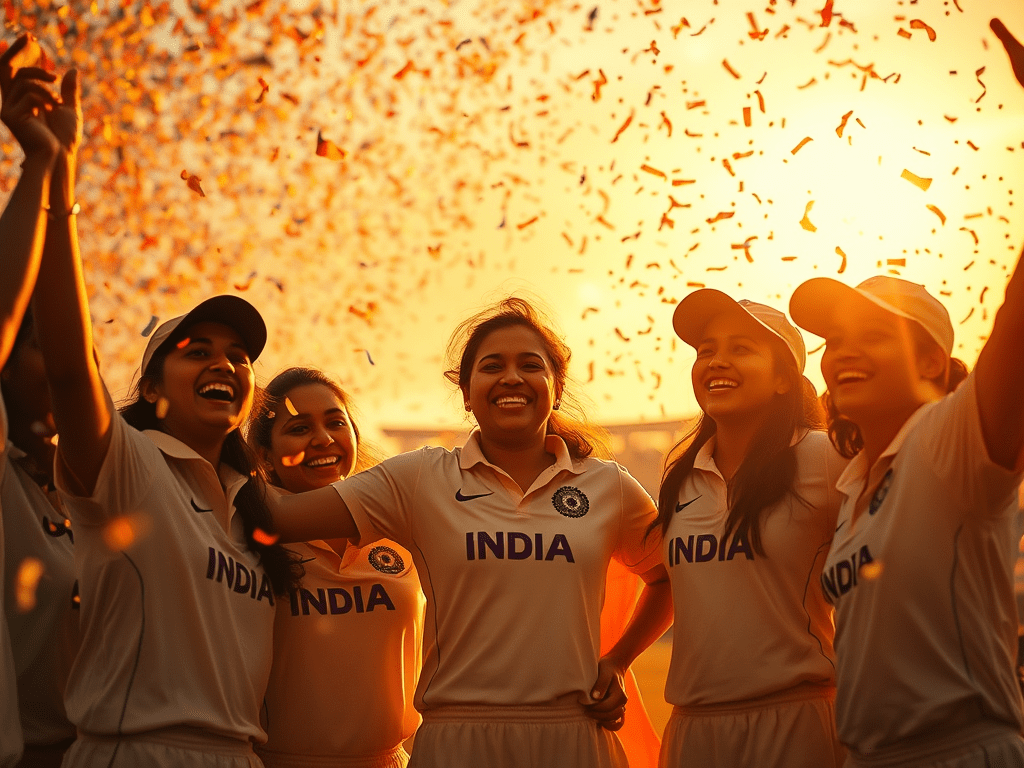
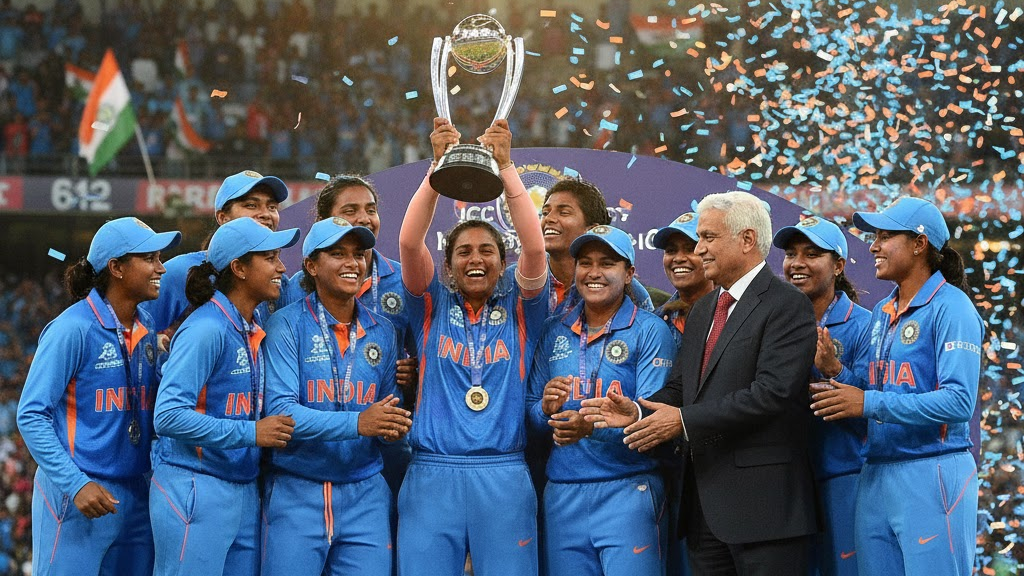
India’s Women’s Cricket Team, fresh off their World Cup triumph, found themselves at the center of national celebration headlines, ceremonies, cash prizes, endorsements, and endless praise.
But amid the applause, Sunil Gavaskar, one of cricket’s most respected voices, issued a gentle yet urgent warning:
“Don’t fall for fake promises.”
His words cut through the confetti.
Because behind every celebration lies a quieter truth that every athlete, entrepreneur, and leader must face: Sustainability matters more than spotlight.
The Message Behind the Message
Sunil Gavaskar’s statement wasn’t criticism, it was counsel.
He wasn’t dampening the joy; he was deepening the awareness.
He’s seen decades of cricketing evolution from underpaid heroes in whites to million-dollar leagues in color.
He understands that celebration without systemic support is just noise.
What Gavaskar meant was simple:
Applause fades.
Systems endure.
And if women’s cricket in India wants to stay powerful, it must move from symbolic rewards to structural reform.
The Pattern: Recognition Without Reinforcement
This isn’t the first time women athletes in India have been showered with promises after glory and left waiting when the cameras turned off.
We’ve seen it across sports:
- Olympic medalists who wait years for announced incentives.
- World Cup winners offered endorsements that never materialized.
- State governments that reward selectively, not systematically.
For too long, women athletes have fought two battles, one on the field, another off it.
That’s what Gavaskar is really calling out: the gap between performance recognition and institutional reinforcement.
Why It Matters: The Economics of Equality
Every athlete needs three currencies to thrive:
- Visibility, media and public attention.
- Value financial and brand recognition.
- Viability long-term career support.
Right now, women’s cricket has the first two.
But it risks losing the third if it doesn’t turn emotional momentum into sustainable investment.
The real challenge isn’t winning once, it’s building an ecosystem that wins again and again.
The Cycle of Visibility and Vanishing
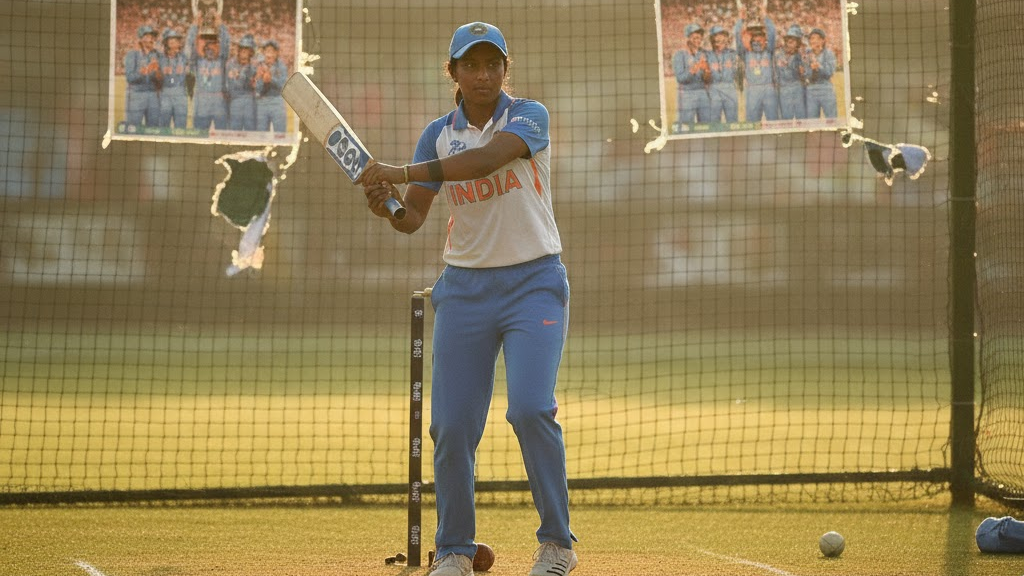
Every few years, women’s sports capture the nation’s heart, then quietly fade from the headlines.
The problem isn’t performance.
It’s continuity.
Sponsorships spike after victories, but decline between tournaments.
TV coverage surges during finals, but vanishes afterward.
And athletes who should be training with focus often spend months navigating bureaucracy to claim their promised rewards.
That’s what Gavaskar wants to break: the “celebrate and forget” syndrome.
The Deeper Leadership Lesson: Stay Grounded When the World Lifts You Up
Gavaskar’s advice extends beyond cricket.
It’s a timeless lesson for anyone who achieves sudden success athletes, entrepreneurs, creators alike.
When the world starts clapping, it’s easy to lose focus on what built you.
His message is not “don’t celebrate.”
It’s “celebrate with clarity.”
Because praise can distract just as much as pressure can crush.
And staying grounded especially after victory is the hardest, most underrated form of discipline.
Women’s Cricket: The Brand Opportunity of a Generation
India’s women’s team isn’t just a sports story, it’s a branding revolution in motion.
They represent a new narrative: one of power, precision, and progress.
1️. The Emotional Brand
Fans connect with authenticity, not perfection.
The women’s team’s journey marked by resilience and raw determination resonates deeper than slick ad campaigns.
2️. The Market Brand
Women’s cricket is a billion-rupee opportunity in waiting.
From league sponsorships to fan merch, storytelling content to digital engagement, the market is ripe if cultivated strategically.
3️. The Social Brand
For global brands, aligning with women’s sports isn’t just marketing, it’s meaning.
It’s a chance to stand for empowerment, progress, and equality values that define modern consumers.
Gavaskar’s message indirectly calls on corporates, federations, and media houses to back their applause with actionable support.
What Needs to Change
- Consistent League Investment: The Women’s Premier League (WPL) must expand, stabilize contracts, and ensure financial parity grows yearly.
- Equal Media Rights: Women’s matches deserve prime coverage, not late-night replays.
- Transparent Incentives: Announced rewards should be tracked publicly accountability builds trust.
- Athlete Wellness Programs: Beyond money, holistic health and post-retirement plans should be institutionalized.
- Education & Leadership: Teach women athletes how to manage fame, finances, and legacy.
The Cultural Shift: From Celebration to Continuity
India’s women cricketers have already won the country’s heart now they must win the system.
The goal isn’t just parity in paychecks, it’s parity in priority.
Because gender equality in sports isn’t about headlines.
It’s about habits what we normalize, fund, and repeat.
When Gavaskar speaks, it’s not nostalgia talking.
It’s wisdom reminding us that legacy isn’t about the past, but about protecting the future.
Final Reflection: The Real Victory Lies Ahead
The Indian women’s cricket team has proven their power on the field.
Now, they and the ecosystem around them must prove their commitment to it.
The applause of today must become the architecture of tomorrow.
Because only when systems change does success become sustainable.
Sunil Gavaskar’s words weren’t a warning, they were a hand on the shoulder of a generation ready to lead.
His message is clear:
“Celebrate, but keep your eyes on the next over. The real work begins after the champagne dries.”
“Applause is temporary. Systems are permanent. Real champions fight for both.”


 Move Elevate
Leave a comment