
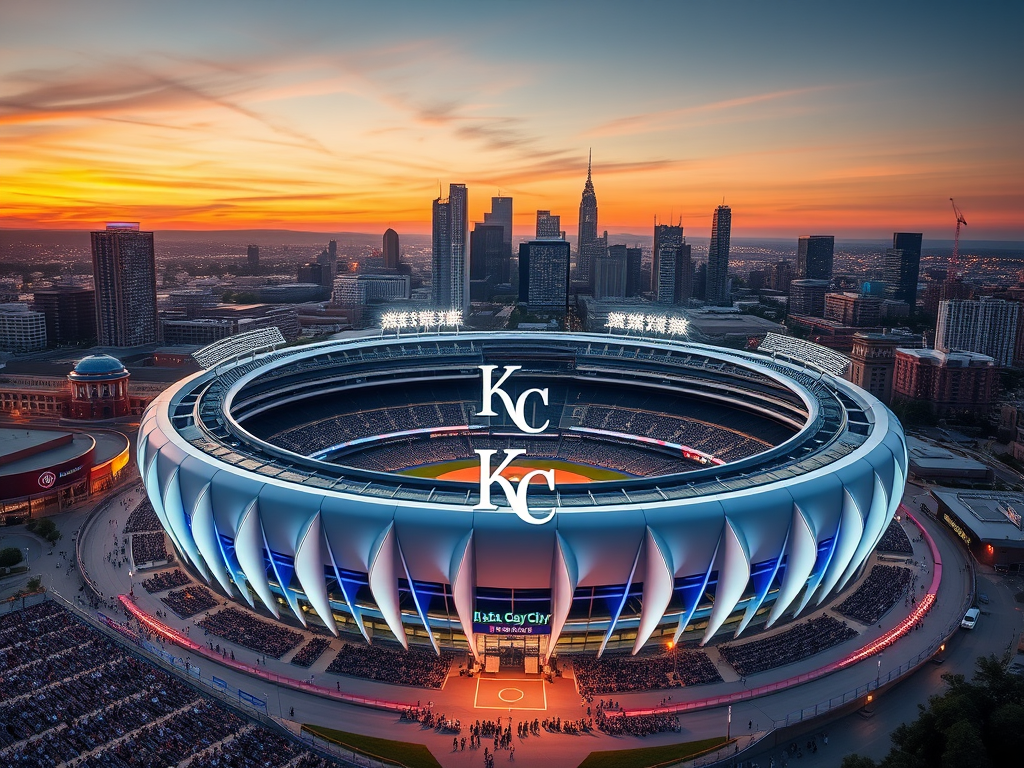
The Kansas City Royals are entering one of the most pivotal moments in franchise history. According to multiple reports, including Talksport, the organization is exploring the construction of a brand-new stadium estimated at $2 billion, a project that could dramatically reshape the team’s future and potentially relocate the franchise across state lines.
With the team’s lease at Kauffman Stadium set to expire in 2031, Royals leadership is evaluating several possible locations, including downtown Kansas City, North Kansas City, and Overland Park in Kansas. If the latter becomes the final choice, the club would officially move out of Missouri and into Kansas, a move that would instantly shift the region’s sports landscape.
Why the Royals Want a New Stadium
For decades, Kauffman Stadium has been an iconic baseball landmark known for its fountains and fan-friendly design. But in today’s sports economy, tradition isn’t enough.
Modern franchises rely heavily on revenue streams tied to:
- premium seating and suites
- hospitality zones
- entertainment districts
- naming rights
- digital fan experiences
A new stadium could unlock hundreds of millions in additional, recurring revenue, strengthening the Royals’ competitiveness for years to come. New venues in Major League Baseball, such as the Braves’ Truist Park or the Rangers’ Globe Life Field, have shown that creating an entire entertainment ecosystem around a stadium is often more valuable than the stadium itself.
A Move Across State Lines?
One of the most intriguing (and controversial) possibilities is the Royals building their new stadium in Overland Park, Kansas. This would mark a major shift in the region’s sports identity and raise big questions:
- Will Kansas offer a larger tax-incentive package?
- Would the franchise rebrand?
- How would the move affect Missouri-based fans?
- Could Kansas City, Missouri lose economic activity to the other side of the border?
It’s no secret that states aggressively compete for professional teams. A project of this scale would bring:
- construction jobs
- tourism boosts
- hotel and restaurant growth
- increased local tax revenue
Kansas may see this as a once-in-a-generation opportunity to strengthen its sports and entertainment footprint.
Why This Decision Matters Beyond Baseball
Stadium construction isn’t just a sports story, it’s a civic and political event. Cities and states fight fiercely for these projects because the stakes are enormous.
Economic Implications
A $2 billion ballpark can transform a neighborhood or suburb. Downtown development, improved transportation, and new businesses often follow. A move also shifts financial power — from Missouri to Kansas or vice versa, impacting jobs and tax bases.
Civic Identity
The Royals are woven into Kansas City’s history. A relocation, even just across the border, might feel like a loss for some fans and a win for others. Stadiums help shape a city’s culture, pride, and national identity.
MLB’s Long-Term Strategy
Baseball is modernizing faster than ever:
- new rules
- shorter games
- digital fan engagement
- immersive stadium technology
The league wants forward-looking ballparks that can grow with evolving fan expectations. A cutting-edge venue helps keep the sport relevant for the next generation.
What Comes Next?
Over the next year, expect discussions around:
- financing packages
- public vs. private investment
- exact stadium locations
- architectural plans
- political negotiations
- fan reactions and community meetings
No matter the final decision, one thing is certain:
The Royals are preparing for a new chapter, one that will define the franchise for decades.
And whether the team stays in Missouri or crosses into Kansas, this $2 billion project signals a new era for Major League Baseball, where infrastructure, innovation, and economic strategy matter just as much as on-field performance.


 Move Elevate
Leave a comment