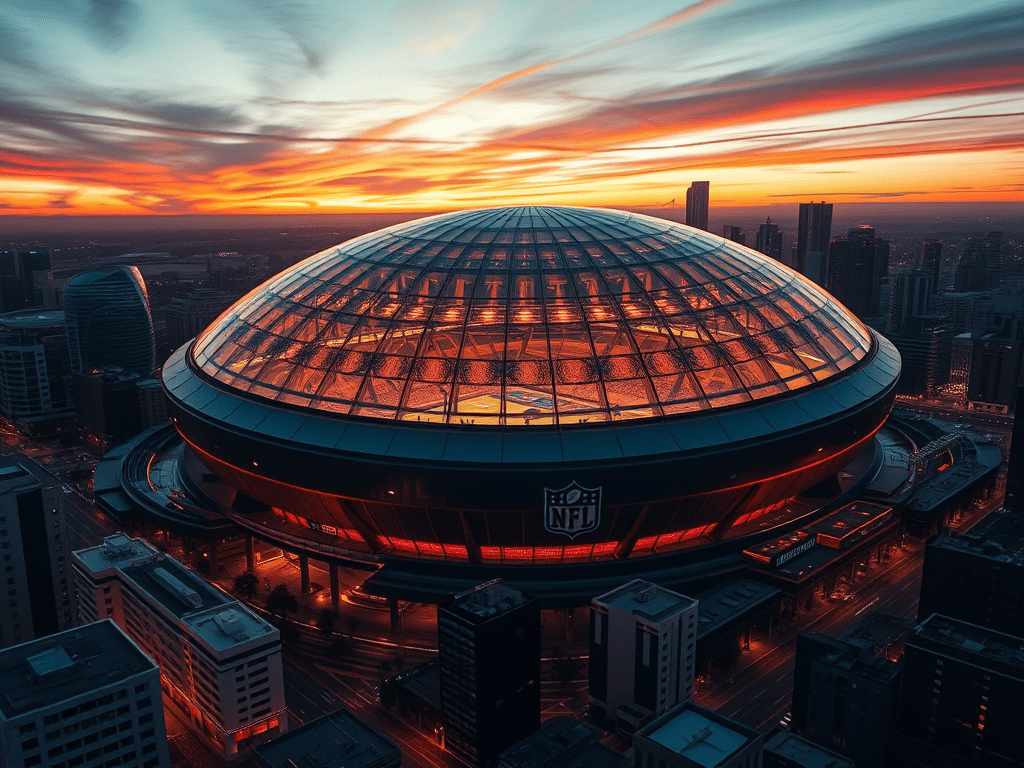
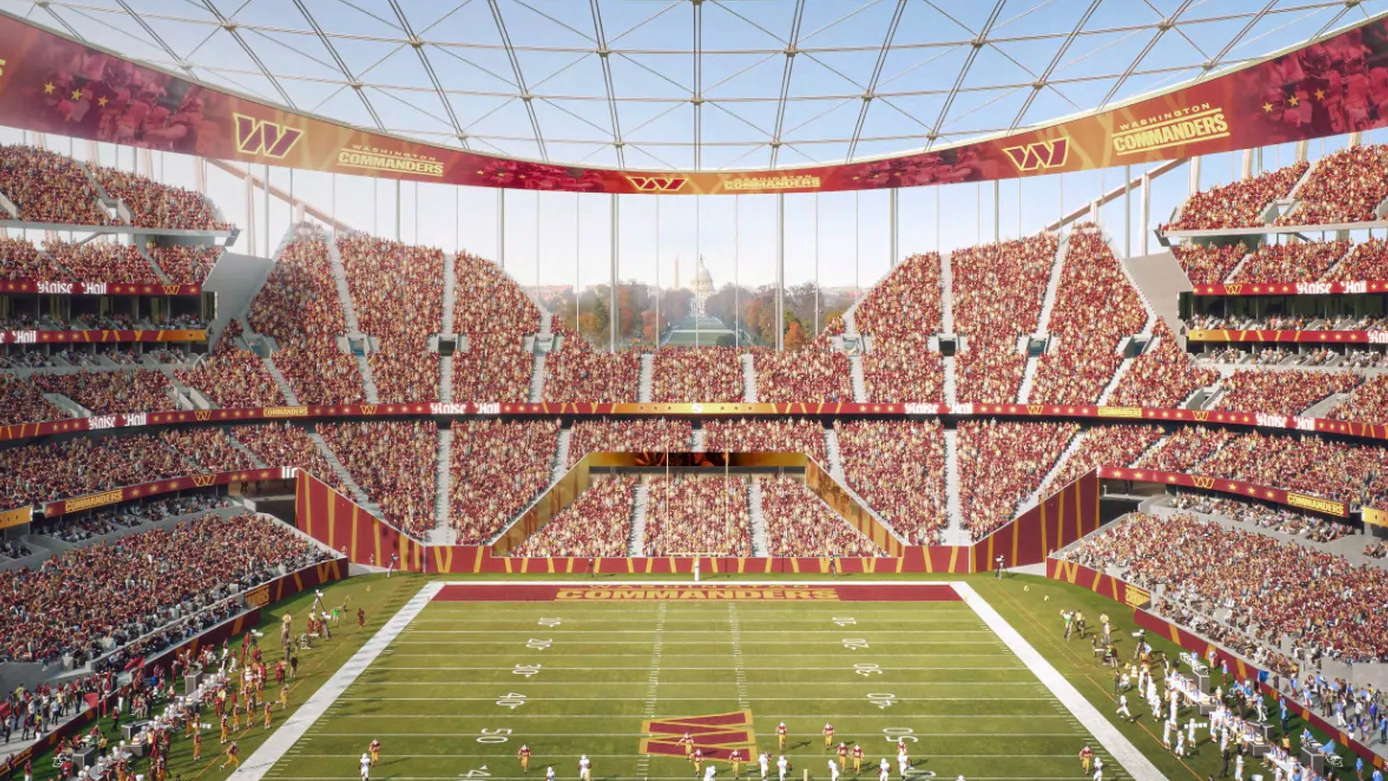
The Washington Commanders are stepping into a new era,and this time, the transformation isn’t about a quarterback, a draft pick, or a new coaching philosophy. It’s made of steel, concrete, ambition, and a price tag of nearly $3.8 billion.
After years of speculation, political back-and-forth, and fan anticipation, the Commanders have finally revealed a major milestone: HKS, Inc., one of the world’s premier sports-architecture firms, has been selected to design their next-generation home. The choice alone is a statement. HKS is behind some of the most iconic stadiums on the planet, including AT&T Stadium and SoFi Stadium. Now, they’re bringing that same visionary imprint to Washington, D.C.
This stadium isn’t just a venue. It’s a fresh start.
A Stadium Built on History Literally
The new arena will rise on the site of the old RFK Stadium, a place deeply woven into the Commanders’ legacy. For decades, RFK was loud, gritty, imperfect,yet unforgettable. Now, as demolition crews clear away the skeleton of a bygone era, a new architectural identity is preparing to take shape.
The vision includes:
- A 65,000-seat dome capable of hosting year-round events
- A modern, multi-use district with entertainment, dining, and community spaces
- A design philosophy that mirrors D.C.’s cultural and architectural DNA
- Enhanced economic zones expected to revive the area surrounding the stadium
Construction is currently set to begin in 2027, with the grand opening targeted for the 2030 NFL season,a timeline ambitious but symbolic. The Commanders want more than a stadium. They want a generational landmark.
The Price of Progress and the Promise Behind It
A $3.8 billion stadium doesn’t exist in a vacuum. It becomes an ecosystem: workers, businesses, neighborhoods, traffic patterns, tourism, civic energy, brand value,even political conversations. Everything shifts when a project this large enters the picture.
City officials expect:
- Thousands of new jobs during construction
- A long-term boost to local business revenue
- Increased tourism and national attention
- Stronger community engagement through public spaces
But for the Commanders, the investment carries an even deeper purpose: a renewed identity.
The franchise has endured one of the most complicated reputations in modern sports name changes, ownership shifts, PR turbulence, and wavering fan loyalty. A new stadium becomes a reset button, a chance to rebuild trust and excitement from the ground up.
HKS is known for designing stadiums that don’t just house a team, they shape its personality. Bold, modern, fan-first. That’s exactly the transformation Washington is seeking.
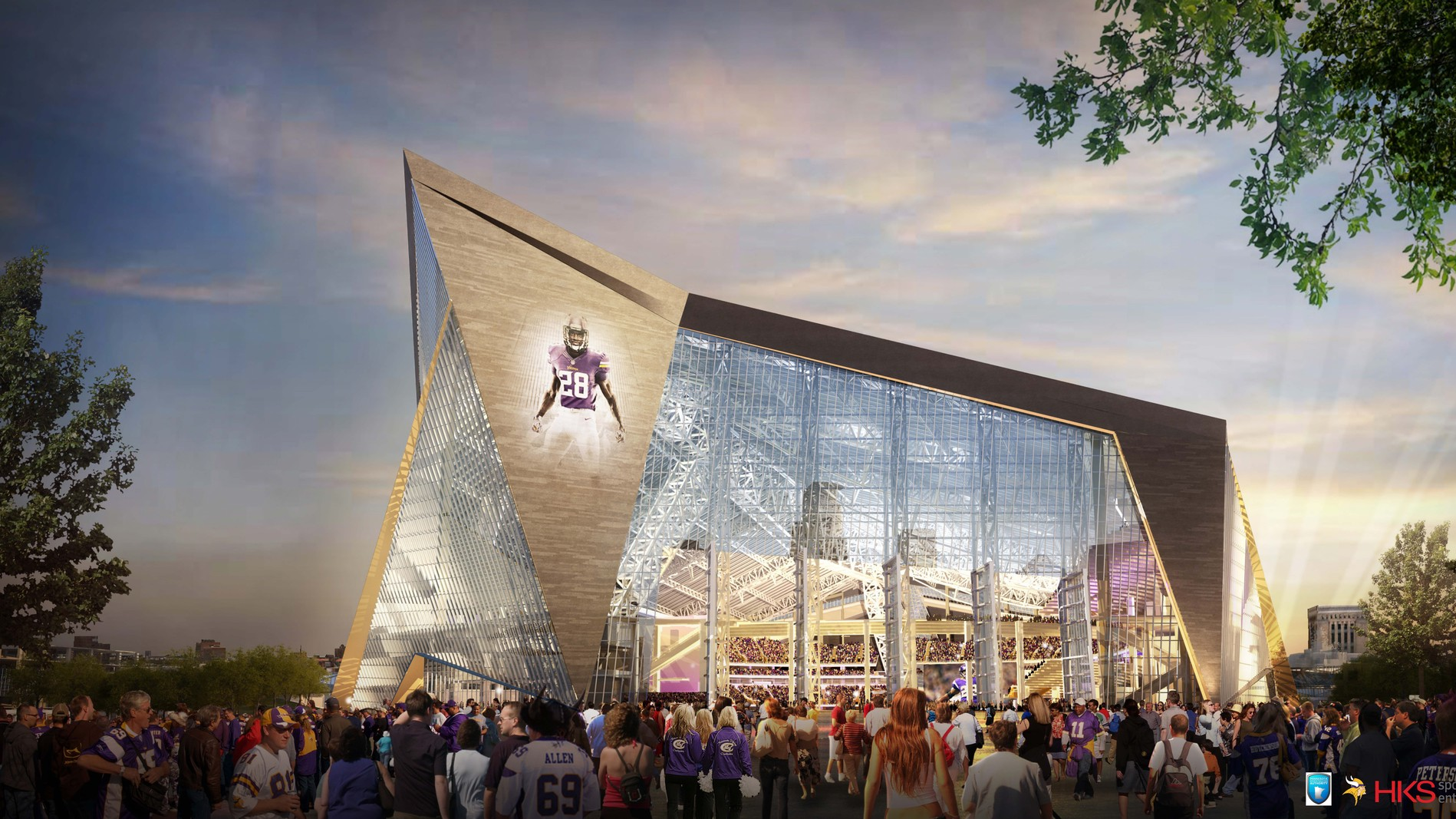
A Dome That Changes the Game
The decision to build a domed stadium is strategic on multiple fronts.
1. Weather Control = Year-Round Revenue
Concerts, conferences, NCAA events, international games, esports, everything becomes possible. Unlike open-air venues limited by the seasons, a dome becomes a 365-day economic engine.
2. Fan Experience Levels Up
Fans don’t dream about “good enough.” They want premium seating, immersive tech, unforgettable atmosphere, and comfort.
A dome delivers exactly that.
3. It Sends a Message
A dome says: We are building for the future, not for tradition’s sake.
The Naming Rights Drama: A Story Still Unfolding
In a plot twist straight out of a political sports novel, former President Donald Trump has publicly expressed interest in bidding for the naming rights. While no official deal exists, the mere conversation elevates the media spotlight and the stakes.
Naming rights for a stadium of this magnitude could easily demand:
- $25–$50 million per year
- A decades-long contract
- Massive branding influence
Whether Trump or another major corporation wins that battle, the naming decision will shape public perception for years.
Transportation, Community, and Urban Impact
With a massive structure comes massive responsibility.
Fans and city planners are watching closely for news on:
Transit upgrades
Will new metro lines, pedestrian walkways, or parking improvements accompany the project?
Local economic opportunities
Which neighborhoods benefit? Are small businesses included? Will long-time residents be supported, not displaced?
Public access
Modern stadium districts often include parks, restaurants, event spaces, and community centers. Will this be a stadium that locals use every week, not just on game days?
The Commanders and the city both insist that community integration is a central priority. If done right, this project won’t just change a franchise,it could reenergize an entire region.
A Stadium as a Symbol
Sports stadiums are more than buildings. They’re cultural totems, symbols of pride, belief, shared emotion, and identity. For Washington, this arena could become the centerpiece of a new chapter marked by stability, growth, and excitement.
Consider what this new stadium signals:
- A franchise looking forward, not backward
- A city ready to invest in its sports culture
- A fan base deserving of a stadium that reflects its passion
- A partnership between modern architecture and deep-rooted tradition
In many ways, this project mirrors the evolution of the Commanders themselves: from chaos toward clarity, from legacy toward innovation, from rebuilding toward rising.
What Comes Next
With demolition underway and construction planned for 2027, the next several years will determine how this vision takes shape. Expect updates on:
- Final architectural renderings
- Financing frameworks
- Community hearings
- Naming rights negotiations
- District redevelopment plans
- Fan experience and tech integrations
But one thing is already clear:
This stadium is not just a building. It’s a turning point.
For the franchise.
For the fans.
For Washington, D.C.
The Commanders aren’t just constructing a stadium,/they’re constructing a future.
 Move Elevate
Leave a comment