Sports Beyond Borders
Sports isn’t just about medals anymore, it’s about partnership, policy, and progress.
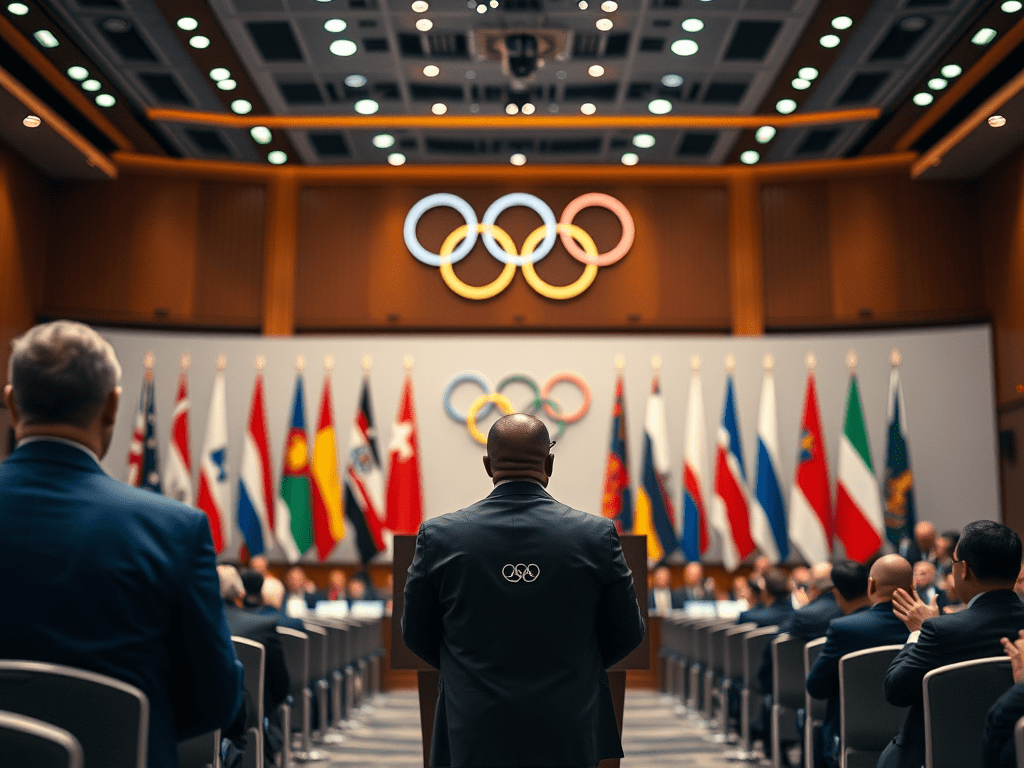
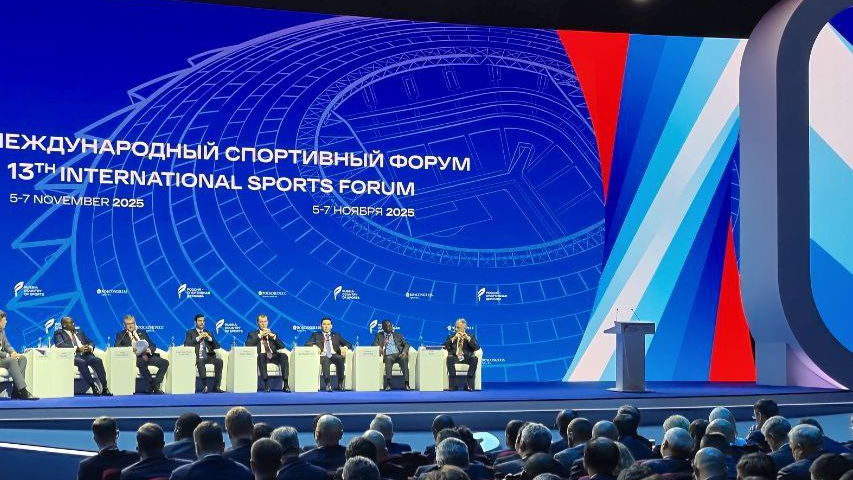
At the 13th International Sports Forum held in Samara, Russia (November 5–7, 2025), Malcolm W. Joseph, Vice-President of the Liberia National Olympic Committee (LNOC), made a strong case for global collaboration in sports governance.
Representing West Africa, Joseph’s presence highlighted a growing trend: sports diplomacy, the idea that athletics can bridge nations, foster peace, and strengthen international relations.
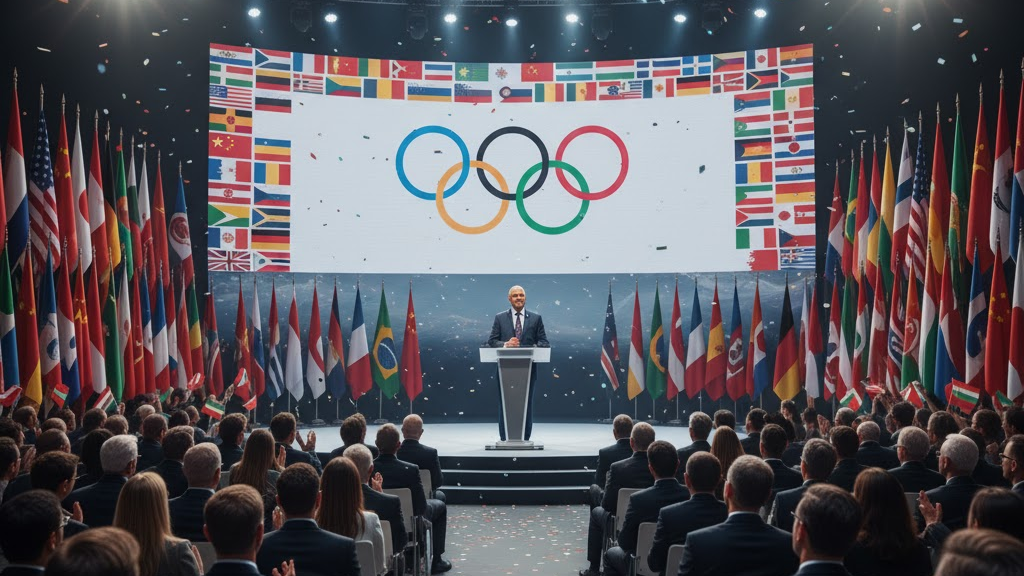
His call for stronger cross-border partnerships resonated deeply with the global audience, which included ministers, federation heads, and representatives from over 40 countries.
The Forum’s Global Vision :
The International Sports Forum is one of the most influential platforms where leaders discuss how sports can shape societies, from governance and ethics to technology and inclusion.
This year’s theme centered around “Unity Through Sport”, exploring how global collaboration can tackle challenges like doping, corruption, funding inequality, and gender disparity in athletics.
Malcolm W. Joseph’s participation reflected Liberia’s growing involvement in international sports dialogues, signaling that African nations are not just competitors but active decision-makers in shaping the global sporting future.
“True progress in sports is not measured by trophies alone, but by the bridges we build across nations,” Joseph reportedly said during a panel discussion on international cooperation.
The Rise of Sports Diplomacy
Over the past decade, sports diplomacy has evolved into a key part of international policy. Events like the Olympics, FIFA World Cup, and now the Samara Sports Forum serve as neutral arenas for diplomacy, where nations interact beyond politics.
Countries use sports as soft power, a way to:
- Enhance global reputation
- Promote cultural identity
- Build strategic partnerships
- Attract investment and tourism
For developing nations, it’s a golden opportunity to leverage sports for diplomacy and development. Liberia’s active engagement at such forums positions it as a voice for inclusive, transparent, and equitable global sports governance.
🇮🇳 Lessons for India and Emerging Nations
India, with its growing sports ecosystem and global influence, can draw important lessons from Liberia’s example.
1️. Active Policy Participation
Rather than focusing solely on performance, India can strengthen its voice in global sports governance, contributing to international standards on integrity, athlete welfare, and sustainability.
2️. Partnership Building
Forums like Samara’s can open doors for bilateral sports collaborations, for instance, India partnering with African nations in athlete development, infrastructure, and digital coaching systems.
3️. Cultural Exchange through Sports
Just as cricket has become India’s diplomatic bridge with Commonwealth nations, other sports, like athletics, hockey, and esports, can foster cross-continental cooperation and goodwill.
Why It Matters
In today’s interconnected world, sports is diplomacy in motion.
Athletes are ambassadors. Events are platforms for global dialogue. Forums like Samara’s demonstrate that the future of sports lies not only in who wins the games, but also in how nations play together.
Malcolm W. Joseph’s voice at the International Sports Forum symbolizes a shift toward inclusive leadership, where nations big and small have a say in shaping global sporting policy.
The Conclusion :
From the pitch to the podium, the language of sports transcends boundaries. The 13th International Sports Forum in Russia stands as proof that cooperation, not competition alone, defines the true spirit of sport.
As nations like Liberia, India, and others engage more deeply in such platforms, we move closer to a future where sports isn’t just played, it’s shared.

 Move Elevate
Leave a comment